马黛茶 Mate Tea
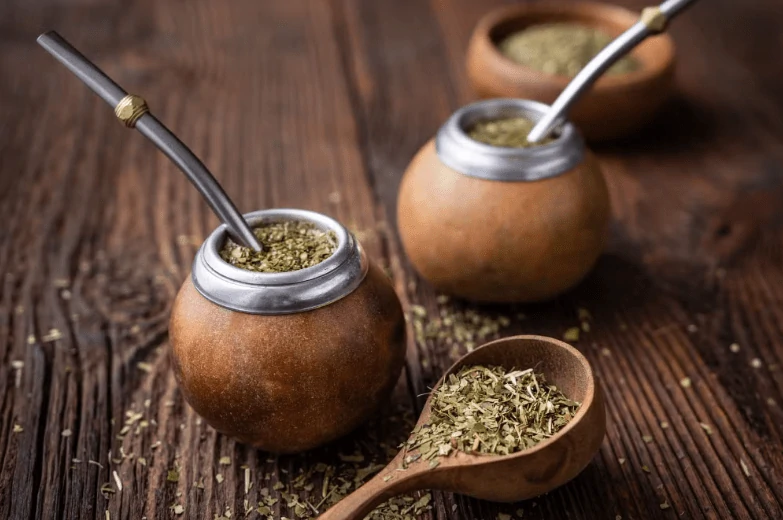
马黛茶是南美洲的一种传统特色茶饮,在南美许多国家广受欢迎,阿根廷甚至于2013年立法将马黛茶定为“国家饮品”。马黛茶的原料来源于冬青科(Aquifoliaceae)植物 Ilex paraguariensis,是与冬青科大叶冬青近似的一种多年生木本植物,树叶通常都称为巴拉圭草,树叶翠绿,呈椭圆形,枝叶间开雪白小花,结红色小果。主要在阿根廷、乌拉圭、巴拉圭和巴西南部等地区种植。其叶片经过特殊处理后制成茶叶。因其制备方法与中国茶叶类似,中国称其为“马黛茶”。在部分文献和地区,马黛茶的植物原料也被称为“巴拉圭草”。茶罐和吸管是饮用马黛茶必不可少的器具,茶罐(马黛杯)大多用竹筒或葫芦挖空制作,专用吸管(Bombilla)由金属制成。马黛茶里含有特有的 Mateina- 马黛因也被人们简称咖啡因,研究表明马黛茶含有黄嘌呤(咖啡因、可可碱、茶碱),这些生物活性化合物能刺激中枢神经系统,促进脑力活动。它们还能提高能量水平和注意力。区别在于咖啡因是由谷物提取,通常都是由咖啡豆,茶,可可豆提取,而马黛因是由全天然马黛茶叶提取,并没有其他植物可提取马黛因。马黛茶含有众多维生素B 及人体需要的13 种维生素,马黛茶含有其中 8 种 B 组维生素,它们是人体功能(如产生能量和红血球)所必需的。另外还含有矿物质,可增强活力和有助于降低坏胆固醇。马黛茶富含抗氧化剂和营养物质,具有提神醒脑、增强免疫力等功效。泡制方式以乌拉圭马黛茶为例,先将马黛茶叶倒入杯子的1/4至1/3处,再用1/3杯温水(约60°C)湿润茶叶,静置片刻,让茶叶充分舒展;之后将吸管插入湿润的茶叶中,固定好位置,再加入2/3杯沸水,稍等片刻即可饮用。共享马黛茶是拉丁美洲,尤其是南美洲地区重要的社交活动。人们会轮流传递同一个葫芦,象征着友谊和团结。马黛茶也常常在家庭聚会、朋友聚会和工作场合饮用。总之马黛茶文化,是当地社会和文化生活中不可或缺的一部分,体现了人与人之间的联系、健康生活方式和对自然的热爱。
Mate tea is a traditional and distinctive beverage from South America, widely popular in many countries of the region. In fact, Argentina officially declared mate tea as the “National Beverage” in 2013 through legislation. The raw material of mate tea comes from a plant of the holly family (Aquifoliaceae), Ilex paraguariensis, a perennial woody plant closely related to the large-leaf holly. The leaves, commonly referred to as Paraguayan herb, are vibrant green, oval-shaped, and produce small white flowers and red berries. The plant is mainly cultivated in Argentina, Uruguay, Paraguay, and southern Brazil. After undergoing a special processing method, the leaves are turned into tea. Due to its preparation method being somewhat similar to that of Chinese tea, it is referred to in Chinese as “mate tea”. In some literature and regions, the plant used for mate is also called Paraguayan herb.Two essential tools for drinking mate tea are the gourd (mate cup) and the metal straw (bombilla). The mate cup is typically made by hollowing out a bamboo tube or gourd, while the straw is made of metal and has a filter at the bottom to separate the leaves from the liquid.Mate tea contains a unique stimulant known as mateine, which is often considered a form of caffeine. Scientific studies have shown that mate tea contains xanthines such as caffeine, theobromine, and theophylline, which are bioactive compounds capable of stimulating the central nervous system and enhancing mental activity. These substances can increase energy levels and improve alertness. The key distinction is that caffeine is usually extracted from grains, coffee beans, tea, or cocoa, while mateine is exclusively derived from natural mate leaves and cannot be extracted from other plants.Mate tea contains a variety of B vitamins and 13 essential vitamins required by the human body. Among them, it provides 8 types of B-complex vitamins, which are essential for bodily functions such as energy production and red blood cell formation. It also contains minerals that help boost vitality and reduce bad cholesterol. Rich in antioxidants and nutrients, mate tea is known for its ability to refresh the mind, enhance immunity, and support overall well-being.The preparation method can be illustrated using the Uruguayan style:• First, fill about 1/4 to 1/3 of the mate cup with mate leaves.• Add about 1/3 cup of warm water (around 60°C) to moisten the leaves and let them sit briefly to allow expansion.• Insert the metal straw (bombilla) into the moistened leaves and fix it in place.• Finally, pour in about 2/3 cup of hot water, wait a moment, and then enjoy.Sharing mate tea is a significant social activity in Latin America, especially in the southern regions. People pass around a single gourd and drink from the same bombilla in turn, symbolizing friendship and unity. Mate is often consumed at family gatherings, friendly meetups, and even in work settings. In short, mate tea culture is an integral part of local society and daily life, reflecting strong human connection, healthy living, and a deep appreciation for nature.
Mate tea is a traditional and distinctive beverage from South America, widely popular in many countries of the region. In fact, Argentina officially declared mate tea as the “National Beverage” in 2013 through legislation. The raw material of mate tea comes from a plant of the holly family (Aquifoliaceae), Ilex paraguariensis, a perennial woody plant closely related to the large-leaf holly. The leaves, commonly referred to as Paraguayan herb, are vibrant green, oval-shaped, and produce small white flowers and red berries. The plant is mainly cultivated in Argentina, Uruguay, Paraguay, and southern Brazil. After undergoing a special processing method, the leaves are turned into tea. Due to its preparation method being somewhat similar to that of Chinese tea, it is referred to in Chinese as “mate tea”. In some literature and regions, the plant used for mate is also called Paraguayan herb.Two essential tools for drinking mate tea are the gourd (mate cup) and the metal straw (bombilla). The mate cup is typically made by hollowing out a bamboo tube or gourd, while the straw is made of metal and has a filter at the bottom to separate the leaves from the liquid.Mate tea contains a unique stimulant known as mateine, which is often considered a form of caffeine. Scientific studies have shown that mate tea contains xanthines such as caffeine, theobromine, and theophylline, which are bioactive compounds capable of stimulating the central nervous system and enhancing mental activity. These substances can increase energy levels and improve alertness. The key distinction is that caffeine is usually extracted from grains, coffee beans, tea, or cocoa, while mateine is exclusively derived from natural mate leaves and cannot be extracted from other plants.Mate tea contains a variety of B vitamins and 13 essential vitamins required by the human body. Among them, it provides 8 types of B-complex vitamins, which are essential for bodily functions such as energy production and red blood cell formation. It also contains minerals that help boost vitality and reduce bad cholesterol. Rich in antioxidants and nutrients, mate tea is known for its ability to refresh the mind, enhance immunity, and support overall well-being.The preparation method can be illustrated using the Uruguayan style:• First, fill about 1/4 to 1/3 of the mate cup with mate leaves.• Add about 1/3 cup of warm water (around 60°C) to moisten the leaves and let them sit briefly to allow expansion.• Insert the metal straw (bombilla) into the moistened leaves and fix it in place.• Finally, pour in about 2/3 cup of hot water, wait a moment, and then enjoy.Sharing mate tea is a significant social activity in Latin America, especially in the southern regions. People pass around a single gourd and drink from the same bombilla in turn, symbolizing friendship and unity. Mate is often consumed at family gatherings, friendly meetups, and even in work settings. In short, mate tea culture is an integral part of local society and daily life, reflecting strong human connection, healthy living, and a deep appreciation for nature.
.PNG)
苦柯茶 Coca Tea
古柯茶(mate de coca)是一种用古柯树叶制成的草本茶。使用热水冲泡古柯茶包或叶片而成。这种饮料最常贩售于安第斯山一带,如阿根廷、玻利维亚、哥伦比亚,尤其是秘鲁。古柯茶叶的颜色偏绿黄色,古柯树为安第斯山脉特有灌木,该植物需在海拔500-2000米的热带山地环境中生长,植株高度1-3米,叶片表面呈深绿色,含有14种生物碱类物质,味道微苦,闻起来有绿茶的芳香甜味。该植物叶中含0.6%-1.8%的可卡因成分。当地印第安人通过咀嚼叶片或泡茶方式缓解高原反应、饥饿及寒冷。由于含有生物碱,古柯茶也算是一种温和的刺激物,消费力可以媲美茶和咖啡。南美洲原住民将新鲜叶片直接咀嚼或晒干后冲泡,通过口腔黏膜吸收可卡因成分缓解高原缺氧症状。秘鲁旅馆常向游客提供该茶预防海拔3000米以上地区的高原反应。印第安人随身携带古柯叶作为劳动时的提神剂,单日咀嚼量可达40-60克。但由于古柯茶内含有古柯碱,200-500公斤古柯叶可提炼1公斤可卡因碱,所以一杯古柯茶就可以被药检验出毒品阳性反应。导致该饮料在全球多个国家被列为管制物品。国际体育赛事中也出现因饮用该茶导致兴奋剂检测阳性的情况。
Coca tea (mate de coca) is an herbal tea made from the leaves of the coca plant. It is prepared by steeping coca tea bags or loose coca leaves in hot water. This beverage is most commonly sold in the Andean regions such as Argentina, Bolivia, Colombia, and especially Peru. Coca tea leaves are yellowish-green in color, and the coca shrub, native to the Andes Mountains, grows in tropical mountainous areas at altitudes between 500 and 2000 meters. The plant is about 1 to 3 meters tall, with dark green leaves that contain 14 types of alkaloid compounds. The flavor is mildly bitter, with an aroma and sweetness somewhat reminiscent of green tea. The leaves naturally contain 0.6% to 1.8% cocaine.Indigenous Andean people have traditionally chewed coca leaves or brewed them into tea to alleviate altitude sickness, hunger, and cold. Due to the presence of alkaloids, coca tea is considered a mild stimulant, and its energizing effects are comparable to those of coffee or tea.Native South Americans typically chew fresh or dried coca leaves, or brew them into tea, allowing the cocaine alkaloids to be absorbed through the oral mucosa. In Peru, many hotels offer coca tea to travelers as a preventive measure against altitude sickness in areas above 3,000 meters. Indigenous people often carry coca leaves with them as a natural energy booster during labor, with daily chewing quantities reaching 40–60 grams.However, because coca tea contains cocaine alkaloids, it is considered a controlled substance in many countries. In fact, it takes 200 to 500 kilograms of coca leaves to produce one kilogram of pure cocaine base, and even a single cup of coca tea can result in a positive drug test. This has led to instances where athletes have tested positive for stimulants in international sports competitions after consuming coca tea.
Coca tea (mate de coca) is an herbal tea made from the leaves of the coca plant. It is prepared by steeping coca tea bags or loose coca leaves in hot water. This beverage is most commonly sold in the Andean regions such as Argentina, Bolivia, Colombia, and especially Peru. Coca tea leaves are yellowish-green in color, and the coca shrub, native to the Andes Mountains, grows in tropical mountainous areas at altitudes between 500 and 2000 meters. The plant is about 1 to 3 meters tall, with dark green leaves that contain 14 types of alkaloid compounds. The flavor is mildly bitter, with an aroma and sweetness somewhat reminiscent of green tea. The leaves naturally contain 0.6% to 1.8% cocaine.Indigenous Andean people have traditionally chewed coca leaves or brewed them into tea to alleviate altitude sickness, hunger, and cold. Due to the presence of alkaloids, coca tea is considered a mild stimulant, and its energizing effects are comparable to those of coffee or tea.Native South Americans typically chew fresh or dried coca leaves, or brew them into tea, allowing the cocaine alkaloids to be absorbed through the oral mucosa. In Peru, many hotels offer coca tea to travelers as a preventive measure against altitude sickness in areas above 3,000 meters. Indigenous people often carry coca leaves with them as a natural energy booster during labor, with daily chewing quantities reaching 40–60 grams.However, because coca tea contains cocaine alkaloids, it is considered a controlled substance in many countries. In fact, it takes 200 to 500 kilograms of coca leaves to produce one kilogram of pure cocaine base, and even a single cup of coca tea can result in a positive drug test. This has led to instances where athletes have tested positive for stimulants in international sports competitions after consuming coca tea.
印地安人茶 Native Americans Tea
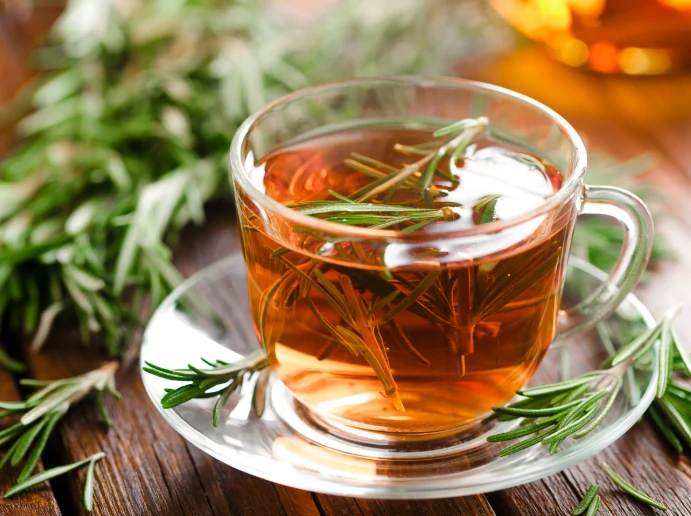
印地安人的茶文化,准确地是指北美洲原住民的草药茶文化,而不是我们通常所说的茶文化。北美洲的切罗基、纳瓦霍与拉科塔等原住民有悠久的草药使用历史,他们会将各种植物的叶、根、茎、花等入药,其中也包括一些可以用来泡茶的植物。这种草药茶在他们的文化中扮演着重要的角色,用于治疗疾病、净化、宗教祈祷仪式、日常饮用等。
北美洲原住民使用的草药种类非常丰富,不同的部落和地区有不同的传统草药,例如,红莓叶茶、薄荷茶、洋甘菊茶、鼠尾草、雪松和蓍草等。他们对自然有着深刻的理解和尊重,认为草药是自然的馈赠,使用草药时会非常谨慎,并注重与自然的平衡,与自然和谐共生。草药茶不仅仅是饮品,还被用于治疗疾病、缓解疼痛、促进消化、净化身体、宗教仪式等多种用途,体现了他们对健康的整体holistic 观念。草药知识通常通过口口相传的方式代代相传,老一辈人会教导年轻人如何辨认草药,如何使用草药,以及草药背后的文化意义。对于许多北美洲原住民部落来说,草药茶文化是他们身份认同的重要组成部分,是他们与祖先联系的纽带。总而言之,北美洲原住民的草药茶文化是一种与自然和谐共生,注重健康,并具有深厚文化内涵的传统文化。
The tea culture of Native Americans more accurately refers to the herbal tea traditions of Indigenous peoples in North America, rather than the conventional tea culture we usually refer to. Indigenous groups such as the Cherokee, Navajo, and Lakota have a long history of using medicinal herbs. They utilized the leaves, roots, stems, and flowers of various plants for healing purposes, some of which were brewed into herbal teas. These herbal infusions play a vital role in their culture, serving purposes such as healing illness, purification, religious rituals, and daily consumption.The variety of herbs used by Native Americans is vast, and different tribes and regions have their own traditional herbal practices. Examples include cranberry leaf tea, peppermint tea, chamomile, sage, cedar, and yarrow. Indigenous peoples hold a profound understanding and respect for nature, viewing herbs as sacred gifts from the natural world. They use them with great care, emphasizing balance and harmony with nature. For them, herbal tea is not just a drink—it is used to treat illness, relieve pain, aid digestion, purify the body, and conduct spiritual ceremonies, reflecting their holistic approach to health and well-being.Herbal knowledge is often passed down orally from generation to generation. Elders teach younger members how to identify and use the herbs, as well as the cultural and spiritual meanings behind them.For many Indigenous communities in North America, the herbal tea tradition is a core part of cultural identity and serves as a living connection to their ancestors.In summary, the herbal tea culture of North American Indigenous peoples is a traditional practice rooted in harmony with nature, holistic health, and deep cultural meaning.
The tea culture of Native Americans more accurately refers to the herbal tea traditions of Indigenous peoples in North America, rather than the conventional tea culture we usually refer to. Indigenous groups such as the Cherokee, Navajo, and Lakota have a long history of using medicinal herbs. They utilized the leaves, roots, stems, and flowers of various plants for healing purposes, some of which were brewed into herbal teas. These herbal infusions play a vital role in their culture, serving purposes such as healing illness, purification, religious rituals, and daily consumption.The variety of herbs used by Native Americans is vast, and different tribes and regions have their own traditional herbal practices. Examples include cranberry leaf tea, peppermint tea, chamomile, sage, cedar, and yarrow. Indigenous peoples hold a profound understanding and respect for nature, viewing herbs as sacred gifts from the natural world. They use them with great care, emphasizing balance and harmony with nature. For them, herbal tea is not just a drink—it is used to treat illness, relieve pain, aid digestion, purify the body, and conduct spiritual ceremonies, reflecting their holistic approach to health and well-being.Herbal knowledge is often passed down orally from generation to generation. Elders teach younger members how to identify and use the herbs, as well as the cultural and spiritual meanings behind them.For many Indigenous communities in North America, the herbal tea tradition is a core part of cultural identity and serves as a living connection to their ancestors.In summary, the herbal tea culture of North American Indigenous peoples is a traditional practice rooted in harmony with nature, holistic health, and deep cultural meaning.
卡瓦卡瓦 Kawakaw
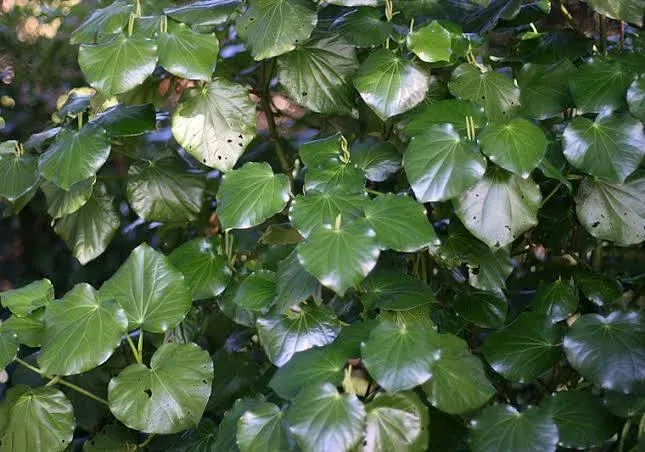
卡瓦卡瓦是一种新西兰特有的植物,是毛利人使用的传统植物,卡瓦卡瓦的叶子可以用来制作茶,或者晒干后作为辛辣的调味品。虽然卡瓦卡瓦的叶子可以泡茶,但它主要被视为一种药用植物,而不是像其他茶那样作为日常饮品。卡瓦卡瓦叶子在毛利传统疗法 (毛利草药医学)中被广泛使用,具有多种功效,包括缓解疼痛、促进伤口愈合和改善消化。卡瓦卡瓦叶子 含有多种活性成分,如辣椒素具有麻醉止痛作用,以及肉豆蔻素可通过扩张血管来帮助减轻炎症。内服用途: • 止痛作用:卡瓦卡瓦叶子传统上用于缓解牙痛、肌肉酸痛、关节疼痛等。其辣椒素成分的麻醉效应有助于减轻不适。 • 改善消化:饮用卡瓦卡瓦叶子茶可舒缓胃部不适,帮助消化,并可缓解如胃灼热、消化不良和便秘等症状。 • 泌尿与肾脏健康:卡瓦卡瓦叶子被用于调理肾脏功能,缓解尿道问题。 • 净化血液:传统上认为 卡瓦卡瓦叶子有助于净化血液、清除体内毒素。 • 舒缓情绪:卡瓦卡瓦叶子茶具有安神作用,有助于缓解压力和焦虑。外用用途: • 伤口愈合:卡瓦卡瓦叶子可用于治疗割伤、创伤、疖肿、脓肿及湿疹、牛皮癣、带状疱疹等皮肤问题。 • 止痛作用:使用 卡瓦卡瓦叶子制成的药膏可外敷缓解肌肉酸痛和关节疼痛。 • 皮肤修复:卡瓦卡瓦叶子被认为具有促进细胞再生、减少炎症的作用,对多种皮肤问题具有良好的疗效。其他显著特性: • 抗炎作用:卡瓦卡瓦叶子中含有 Yangambin 和肉豆蔻素等具有强效抗炎作用的活性化合物。 • 扩张血管:肉豆蔻素可扩张血管,有助于缓解炎症和疼痛。 • 传统药用价值:毛利人有着长期使用 卡瓦卡瓦叶子入药的传统,现代研究正在逐步验证这些传统疗法的科学性。 • 潜在抗糖尿病功效:当前也有研究探索卡瓦卡瓦叶子在调节胰岛素、控制血糖方面的潜力。
Kawakawa is a plant native to New Zealand and has long been used by the Māori as a traditional medicinal plant. Its leaves can be used to make tea or dried and used as a spicy seasoning. While kawakawa leaves can be brewed as tea, the plant is primarily regarded as a medicinal herb rather than a daily beverage like conventional teas.In Rongoā Māori (traditional Māori medicine), kawakawa leaves are widely used for their numerous health benefits, including pain relief, wound healing, and digestive support. Kawakawa contains a variety of active compounds, such as pellitorine, which has numbing and analgesic effects, and myristicin, which helps reduce inflammation by dilating blood vessels.Internal Uses: • Pain Relief: Traditionally used to relieve toothaches, muscle aches, and joint pain. The numbing effects of pellitorine contribute to this benefit. • Digestive Support: Kawakawa tea can help soothe upset stomachs, improve digestion, and relieve conditions such as heartburn, indigestion, and constipation. • Kidney and Urinary Health: Kawakawa has been used to support kidney function and alleviate urinary issues. • Blood Purification: Traditionally believed to purify the blood and detoxify the body. • Calming Effects: Kawakawa tea has calming properties, helping to reduce stress and anxiety.External Uses: • Wound Healing: Used to treat cuts, wounds, boils, abscesses, and skin conditions like eczema, psoriasis, and shingles. • Pain Relief: Ointments made from kawakawa leaves can be applied topically to ease muscle and joint pain. • Skin Repair: Kawakawa is thought to promote cell regeneration and reduce inflammation, making it effective for various skin conditions.Other Notable Features: • Anti-inflammatory Properties: Kawakawa leaves contain potent anti-inflammatory compounds such as yangambin and myristicin. • Vasodilation: Myristicin can widen blood vessels, which may help relieve pain and reduce inflammation. • Traditional Medicinal Value: The Māori have a long history of using kawakawa medicinally, and modern research is gradually confirming the efficacy of these traditional practices. • Potential for Diabetes Management: Ongoing studies are exploring kawakawa’s potential to regulate insulin levels and support diabetes treatment.
Kawakawa is a plant native to New Zealand and has long been used by the Māori as a traditional medicinal plant. Its leaves can be used to make tea or dried and used as a spicy seasoning. While kawakawa leaves can be brewed as tea, the plant is primarily regarded as a medicinal herb rather than a daily beverage like conventional teas.In Rongoā Māori (traditional Māori medicine), kawakawa leaves are widely used for their numerous health benefits, including pain relief, wound healing, and digestive support. Kawakawa contains a variety of active compounds, such as pellitorine, which has numbing and analgesic effects, and myristicin, which helps reduce inflammation by dilating blood vessels.Internal Uses: • Pain Relief: Traditionally used to relieve toothaches, muscle aches, and joint pain. The numbing effects of pellitorine contribute to this benefit. • Digestive Support: Kawakawa tea can help soothe upset stomachs, improve digestion, and relieve conditions such as heartburn, indigestion, and constipation. • Kidney and Urinary Health: Kawakawa has been used to support kidney function and alleviate urinary issues. • Blood Purification: Traditionally believed to purify the blood and detoxify the body. • Calming Effects: Kawakawa tea has calming properties, helping to reduce stress and anxiety.External Uses: • Wound Healing: Used to treat cuts, wounds, boils, abscesses, and skin conditions like eczema, psoriasis, and shingles. • Pain Relief: Ointments made from kawakawa leaves can be applied topically to ease muscle and joint pain. • Skin Repair: Kawakawa is thought to promote cell regeneration and reduce inflammation, making it effective for various skin conditions.Other Notable Features: • Anti-inflammatory Properties: Kawakawa leaves contain potent anti-inflammatory compounds such as yangambin and myristicin. • Vasodilation: Myristicin can widen blood vessels, which may help relieve pain and reduce inflammation. • Traditional Medicinal Value: The Māori have a long history of using kawakawa medicinally, and modern research is gradually confirming the efficacy of these traditional practices. • Potential for Diabetes Management: Ongoing studies are exploring kawakawa’s potential to regulate insulin levels and support diabetes treatment.