.JPG)
土耳其茶文化 Turkish Tea Culture
土耳其茶文化是土耳其社会中非常重要的一部分,尤其以红茶为主。土耳其人将喝茶视为一种日常习惯,也是一种社交方式,甚至可以说是生活中不可或缺的一部分。土耳其茶通常以小型郁金香形状的玻璃杯盛放,并加入糖块,但不加牛奶。土耳其人日常饮用的茶主要是红茶,主要产于里泽等黑海沿岸地区。
传统的土耳其茶具包括一个双层茶壶(子母壶)和郁金香形状的玻璃杯。
茶在土耳其通常被煮得很浓,饮用时会用沸水稀释,并加入糖块调味,不加牛奶。
土耳其人喜欢在茶馆或家中,一边喝茶一边聊天,这是一种重要的社交方式。
喝茶是土耳其人日常生活的一部分,也是招待客人的重要方式,体现了土耳其人的热情好客。
土耳其茶文化在2022年被列入非物质文化遗产名录,进一步彰显了其文化重要性。
Tea holds a central place in Turkish society, particularly black tea, which is the most commonly consumed. For the Turkish people, drinking tea is more than a daily habit—it is a social custom, a form of hospitality, and an indispensable part of everyday life.Turkish tea is typically served in small, tulip-shaped glass cups, often with sugar cubes, but without milk.The black tea commonly consumed in Turkey is primarily grown in the Rize region along the Black Sea coast. It is known for its strong, rich flavor.Traditional Turkish tea preparation involves a double teapot system (çaydanlık), with one pot stacked on top of another. The upper pot brews a concentrated tea, while the lower pot holds hot water for dilution. When serving, people mix the strong brew with hot water to their preferred strength, adding sugar if desired.Tea is deeply woven into the fabric of daily life in Turkey. People gather in tea houses (çay bahçesi) or in their homes to chat and relax over multiple cups of tea. It is a key form of social interaction and an essential way of welcoming guests, reflecting the warm and generous spirit of Turkish hospitality.In recognition of its cultural significance, Turkish tea culture was inscribed on the UNESCO Intangible Cultural Heritage List in 2022, further highlighting its value as a living tradition.
Tea holds a central place in Turkish society, particularly black tea, which is the most commonly consumed. For the Turkish people, drinking tea is more than a daily habit—it is a social custom, a form of hospitality, and an indispensable part of everyday life.Turkish tea is typically served in small, tulip-shaped glass cups, often with sugar cubes, but without milk.The black tea commonly consumed in Turkey is primarily grown in the Rize region along the Black Sea coast. It is known for its strong, rich flavor.Traditional Turkish tea preparation involves a double teapot system (çaydanlık), with one pot stacked on top of another. The upper pot brews a concentrated tea, while the lower pot holds hot water for dilution. When serving, people mix the strong brew with hot water to their preferred strength, adding sugar if desired.Tea is deeply woven into the fabric of daily life in Turkey. People gather in tea houses (çay bahçesi) or in their homes to chat and relax over multiple cups of tea. It is a key form of social interaction and an essential way of welcoming guests, reflecting the warm and generous spirit of Turkish hospitality.In recognition of its cultural significance, Turkish tea culture was inscribed on the UNESCO Intangible Cultural Heritage List in 2022, further highlighting its value as a living tradition.
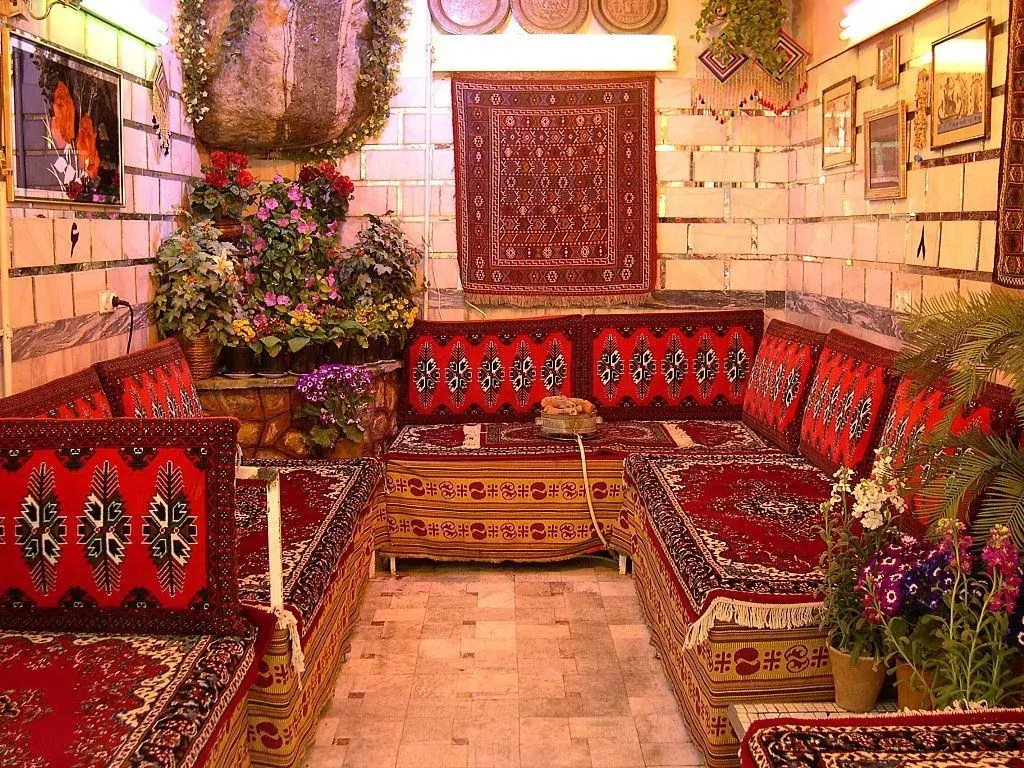
伊朗茶文化 Iranian Tea Culture
茶叶在15世纪时,透过中国的丝路传到伊朗,就此打败当时在阿拉伯世界盛行的咖啡,开启了伊朗的饮茶文化。这股热爱延续到19世纪,有着「伊朗茶叶之父」美称的哈吉穆罕默德远赴印度,在当地学习茶叶栽种,之后更偷偷携带茶苗回伊朗,开始了伊朗的茶产业。有趣的是,因为伊朗人真的太爱喝茶了,即便国内种茶,但仍供不应求,至今依然需要从印度、中东、及非洲进口茶叶。伊朗人以红茶为主,人们起床后都要先来一杯,一整天下来喝个十杯也不为过。也因为伊朗人喜欢喝热腾腾的茶,不管在大都市还是小乡村,整天都能听到滚水准备泡茶叶的声音,这样不但能自己享受,客人来时也能喝上最好的茶饮。伊朗人对茶的热爱延伸出不少独特的文化,其中最特别的,就属当地人最爱的茶室,以及泡茶的器具-茶炊。茶室是伊朗人聚会、聊天的好地方。在伊朗的茶室,续杯很常见,如果不要喝了,要把茶杯倒过来放。另外一个有趣的地方是茶室的设计。比较传统、历史悠久的茶室,墙上多有《列王记》的壁画做装饰,《列王记》是波斯民族的史诗,记载了从远古时期到7世纪的波斯王朝间各种神话和传说,而茶室的壁画描绘的就是故事里的情景。另外,茶室的座椅也很特别,不是我们一般常见的座椅,而是能让人轻松斜躺、仰卧的长凳,长凳上往往摆有枕头、小毯,让整个空间更加舒适。而伊朗人泡茶时所使用的茶炊,则是从俄罗斯引进的茶具,现在成了伊朗家庭不可或缺的生活用品。茶炊由下至上分别为加热区、滚水区、以及茶壶三部分。最下方的加热区通常有个通道,可放木材等,让它燃烧;燃烧的热气能帮助上方滚水区的开水煮沸;而热水的蒸气则让最上方茶壶里的浓茶保持温热。要饮用时,伊朗人会从上方的茶壶倒茶进玻璃杯,但因为茶壶里的茶偏浓郁,为稍微降低苦味,会再从滚水区的水龙头,倒一些热水进玻璃杯兑水。最后要饮用时,则是先拿一颗方糖含在嘴里,再小口小口的啜饮茶品,让方糖在嘴里慢慢融化。
Tea first arrived in Iran during the 15th century, brought through China via the Silk Road. It eventually surpassed coffee, which was then popular in the Arab world, and laid the foundation for Iran’s enduring tea culture.This love for tea continued into the 19th century, when Haj Mohammad Mirza, known as the “Father of Iranian Tea,” traveled to India to learn about tea cultivation. He secretly brought tea saplings back to Iran, thus initiating the country’s domestic tea industry. However, due to Iranians’ deep-rooted passion for tea, domestic production has never been enough. Even today, Iran still imports tea from countries like India, the Middle East, and Africa.In Iran, black tea is the most commonly consumed. Many Iranians begin their day with a cup of tea, and it’s not unusual for someone to drink ten or more cups a day. Because they prefer their tea piping hot, the sound of boiling water preparing for tea can be heard throughout the day—whether in big cities or rural villages. This constant readiness ensures both personal enjoyment and hospitality for any guest who might stop by.Iran’s tea culture has given rise to some unique traditions. Among the most distinctive are the chaikhaneh (tea houses) and the samovar (tea boiler), which is essential for brewing Iranian tea.Tea houses are popular social spaces where people gather to chat and relax. In Iran, refilling one’s cup is common, and when someone no longer wants tea, they simply place their glass upside down. Traditional or historical tea houses are often decorated with murals depicting scenes from the Shahnameh (The Book of Kings)—the Persian national epic that recounts the myths and legends of the Persian empires up to the 7th century. Seating in these tea houses is also unique, featuring long wooden benches called takht. These are designed for reclining or lounging and are usually adorned with pillows and small blankets, making the space warm and comfortable.The samovar, a device originally introduced from Russia, is now a household staple in Iranian homes. It has three main sections: • The lower compartment serves as the heating chamber, often fueled with wood or other materials.• The middle chamber holds water that is kept boiling by the heat below.• The top teapot contains strong brewed tea, kept warm by the steam rising from the boiling water.When drinking, Iranians first pour the strong black tea into a glass, then dilute it with hot water from the middle compartment to adjust the strength. A unique tradition is to place a sugar cube in the mouth and sip the tea slowly, letting the sugar dissolve gradually as the tea is consumed.
Tea first arrived in Iran during the 15th century, brought through China via the Silk Road. It eventually surpassed coffee, which was then popular in the Arab world, and laid the foundation for Iran’s enduring tea culture.This love for tea continued into the 19th century, when Haj Mohammad Mirza, known as the “Father of Iranian Tea,” traveled to India to learn about tea cultivation. He secretly brought tea saplings back to Iran, thus initiating the country’s domestic tea industry. However, due to Iranians’ deep-rooted passion for tea, domestic production has never been enough. Even today, Iran still imports tea from countries like India, the Middle East, and Africa.In Iran, black tea is the most commonly consumed. Many Iranians begin their day with a cup of tea, and it’s not unusual for someone to drink ten or more cups a day. Because they prefer their tea piping hot, the sound of boiling water preparing for tea can be heard throughout the day—whether in big cities or rural villages. This constant readiness ensures both personal enjoyment and hospitality for any guest who might stop by.Iran’s tea culture has given rise to some unique traditions. Among the most distinctive are the chaikhaneh (tea houses) and the samovar (tea boiler), which is essential for brewing Iranian tea.Tea houses are popular social spaces where people gather to chat and relax. In Iran, refilling one’s cup is common, and when someone no longer wants tea, they simply place their glass upside down. Traditional or historical tea houses are often decorated with murals depicting scenes from the Shahnameh (The Book of Kings)—the Persian national epic that recounts the myths and legends of the Persian empires up to the 7th century. Seating in these tea houses is also unique, featuring long wooden benches called takht. These are designed for reclining or lounging and are usually adorned with pillows and small blankets, making the space warm and comfortable.The samovar, a device originally introduced from Russia, is now a household staple in Iranian homes. It has three main sections: • The lower compartment serves as the heating chamber, often fueled with wood or other materials.• The middle chamber holds water that is kept boiling by the heat below.• The top teapot contains strong brewed tea, kept warm by the steam rising from the boiling water.When drinking, Iranians first pour the strong black tea into a glass, then dilute it with hot water from the middle compartment to adjust the strength. A unique tradition is to place a sugar cube in the mouth and sip the tea slowly, letting the sugar dissolve gradually as the tea is consumed.
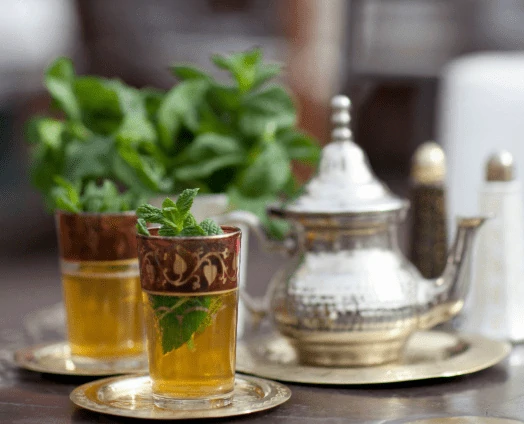
摩洛哥薄荷茶 Morocco Mint Tea
摩洛哥茶文化深受薄荷茶的影响,茶被视为社交生活的重要组成部分,待客之道中也扮演着重要角色。摩洛哥人喜欢在茶中加入薄荷和糖,用精致的茶具来泡茶和饮茶。摩洛哥茶文化也与当地的文化和宗教紧密相连。摩洛哥人将茶视为一种社交工具,与朋友和家人聚会时,常常一起品茶。为客人泡茶是一种重要的待客礼仪,象征着热情好客。即使在沙漠地区,茶也扮演着重要的角色,是游牧民族生活中不可或缺的一部分。
摩洛哥茶文化中,泡茶和饮茶都有一套特定的仪式。摩洛哥人通常用精美的铜制茶具来泡茶,并用小巧的玻璃杯来欣赏茶的颜色和香气。在沙漠地区,游牧民族会直接在火上煮茶,并用小半杯茶慢慢品尝。
摩洛哥人对茶的喜爱程度很高,甚至有“就算没钱吃饭,也要喝茶”的说法,可见茶在当地生活中的重要地位。摩洛哥茶文化的深厚底蕴与当地的历史、风俗和生活方式息息相关。摩洛哥人将茶与伊斯兰教联系在一起,茶壶、茶杯等茶具在诗歌中也经常被提及。
摩洛哥人一日三餐不离茶,尤其喜欢在餐后喝茶,以帮助消化。薄荷茶具有提神醒脑、缓解感冒头痛等多种功效。摩洛哥人认为,茶可以帮助消除口臭,促进新陈代谢。
摩洛哥不产茶,却是世界上进口绿茶最多的国家之一,大部分茶叶都来自中国。
Moroccan tea culture is deeply influenced by mint tea, and tea is regarded as an essential part of social life and hospitality rituals. Moroccans enjoy adding fresh mint leaves and sugar to their tea, using elegant teaware for both brewing and serving. Tea culture in Morocco is also closely tied to the country’s traditions, lifestyle, and religious values.Tea is considered a powerful social tool in Morocco. People often gather with family and friends to share tea, and preparing tea for guests is a symbol of generosity and hospitality. Even in the desert regions, tea plays a central role in the daily life of nomadic communities.There is a specific ritual around both the brewing and drinking of Moroccan tea. Traditionally, Moroccans use ornate copper teapots and serve tea in small glass cups, allowing drinkers to admire its color and aroma. In desert settings, nomads often boil tea directly over open fire, savoring it slowly from small, half-filled glasses.The Moroccan love for tea runs deep, to the extent that there’s a popular saying: “Even if one has no money for food, there must still be tea.” This highlights tea’s central role in daily life.Morocco’s rich tea culture is intimately connected to its history, customs, and way of life. Tea is often associated with Islamic traditions, and references to teapots and cups frequently appear in Moroccan poetry. Moroccans drink tea three times a day, often enjoying it after meals to aid digestion.Mint tea is believed to offer multiple health benefits, including refreshing the mind, relieving headaches and colds, eliminating bad breath, and boosting metabolism.Interestingly, Morocco does not grow tea, yet it is one of the world’s largest importers of green tea, with the majority sourced from China.
Moroccan tea culture is deeply influenced by mint tea, and tea is regarded as an essential part of social life and hospitality rituals. Moroccans enjoy adding fresh mint leaves and sugar to their tea, using elegant teaware for both brewing and serving. Tea culture in Morocco is also closely tied to the country’s traditions, lifestyle, and religious values.Tea is considered a powerful social tool in Morocco. People often gather with family and friends to share tea, and preparing tea for guests is a symbol of generosity and hospitality. Even in the desert regions, tea plays a central role in the daily life of nomadic communities.There is a specific ritual around both the brewing and drinking of Moroccan tea. Traditionally, Moroccans use ornate copper teapots and serve tea in small glass cups, allowing drinkers to admire its color and aroma. In desert settings, nomads often boil tea directly over open fire, savoring it slowly from small, half-filled glasses.The Moroccan love for tea runs deep, to the extent that there’s a popular saying: “Even if one has no money for food, there must still be tea.” This highlights tea’s central role in daily life.Morocco’s rich tea culture is intimately connected to its history, customs, and way of life. Tea is often associated with Islamic traditions, and references to teapots and cups frequently appear in Moroccan poetry. Moroccans drink tea three times a day, often enjoying it after meals to aid digestion.Mint tea is believed to offer multiple health benefits, including refreshing the mind, relieving headaches and colds, eliminating bad breath, and boosting metabolism.Interestingly, Morocco does not grow tea, yet it is one of the world’s largest importers of green tea, with the majority sourced from China.
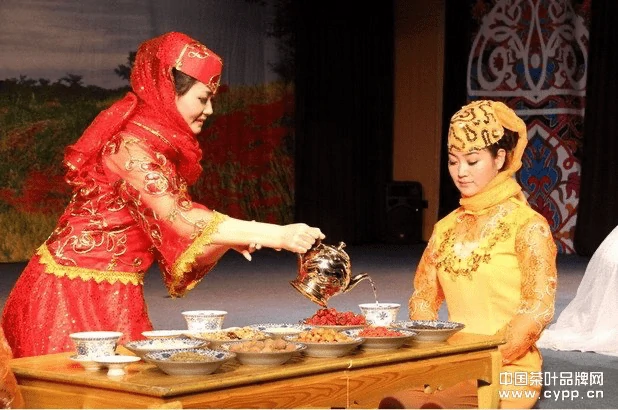
毛里塔尼亚茶文化
Mauritania’s tea culture
毛里塔尼亚虽位于西非,但其茶文化深受阿拉伯和北非的影响。在16世纪茶由摩尔人传入,逐渐融入当地文化,成为传统习俗。其茶以绿茶为主,通常加入薄荷和糖,使其口感更加清爽,饮茶器具通常使用小茶壶和小玻璃杯,形成具有当地特色的饮茶习惯。这种茶被称为“薄荷茶”,是待客和日常生活中不可或缺的一部分。”客来敬茶”是当地的传统习俗,客人来访时,主人会奉上三杯茶,客人需要将主人奉上的每一杯茶一饮而尽,以示尊重和礼貌。第一杯象征着苦涩,像生活一样,需要慢慢品味,并从中汲取经验。第二杯象征着甜蜜,代表着生活中的快乐和美好,也寓意着友谊和热情。第三杯象征着平和,代表着宁静和满足,以及对未来的美好祝愿。“三杯茶”的习俗,体现了毛里塔尼亚人对生活、对友谊、对和平的独特理解。在毛里塔尼亚茶不仅仅是饮品,更是社交的工具。朋友之间,家人之间,都会通过喝茶来增进感情,交流生活。“饭后三杯茶”是当地人的生活习惯,茶水在日常生活中扮演着重要的角色。毛里塔尼亚的茶文化偏向于简单直接的绿茶饮用方式,并且更注重茶的社交功能。毛里塔尼亚的绿茶主要从中国进口。
Although located in West Africa, Mauritania’s tea culture is deeply influenced by Arab and North African traditions. Tea was introduced by the Moors in the 16th century and gradually became integrated into local customs and traditions.The tea is primarily green tea, typically prepared with mint and sugar, giving it a refreshing taste. The tea is served using small teapots and small glass cups, forming a uniquely local style of tea drinking. This type of tea is known as “mint tea”, and it is an indispensable part of both hospitality and daily life.The custom of “serving tea to guests” is a long-standing tradition in Mauritania. When guests visit, the host offers three cups of tea, and the guest is expected to drink each cup in full as a sign of respect and politeness. • The first cup symbolizes bitterness, much like life itself—something to be savored slowly and learned from. • The second cup symbolizes sweetness, representing the joys and beauty of life, as well as friendship and warmth. • The third cup symbolizes peace, standing for tranquility, contentment, and good wishes for the future.The “three cups of tea” custom reflects the Mauritanian people’s unique understanding of life, friendship, and peace.In Mauritania, tea is not just a beverage—it is a social tool. Friends and family strengthen their bonds and share their lives over tea. The habit of “three cups of tea after meals” is part of everyday life, with tea playing a vital role in daily routines.Mauritanian tea culture favors a simple and direct way of drinking green tea, placing more emphasis on its social function. Most of the green tea consumed in Mauritania is imported from China.
Although located in West Africa, Mauritania’s tea culture is deeply influenced by Arab and North African traditions. Tea was introduced by the Moors in the 16th century and gradually became integrated into local customs and traditions.The tea is primarily green tea, typically prepared with mint and sugar, giving it a refreshing taste. The tea is served using small teapots and small glass cups, forming a uniquely local style of tea drinking. This type of tea is known as “mint tea”, and it is an indispensable part of both hospitality and daily life.The custom of “serving tea to guests” is a long-standing tradition in Mauritania. When guests visit, the host offers three cups of tea, and the guest is expected to drink each cup in full as a sign of respect and politeness. • The first cup symbolizes bitterness, much like life itself—something to be savored slowly and learned from. • The second cup symbolizes sweetness, representing the joys and beauty of life, as well as friendship and warmth. • The third cup symbolizes peace, standing for tranquility, contentment, and good wishes for the future.The “three cups of tea” custom reflects the Mauritanian people’s unique understanding of life, friendship, and peace.In Mauritania, tea is not just a beverage—it is a social tool. Friends and family strengthen their bonds and share their lives over tea. The habit of “three cups of tea after meals” is part of everyday life, with tea playing a vital role in daily routines.Mauritanian tea culture favors a simple and direct way of drinking green tea, placing more emphasis on its social function. Most of the green tea consumed in Mauritania is imported from China.