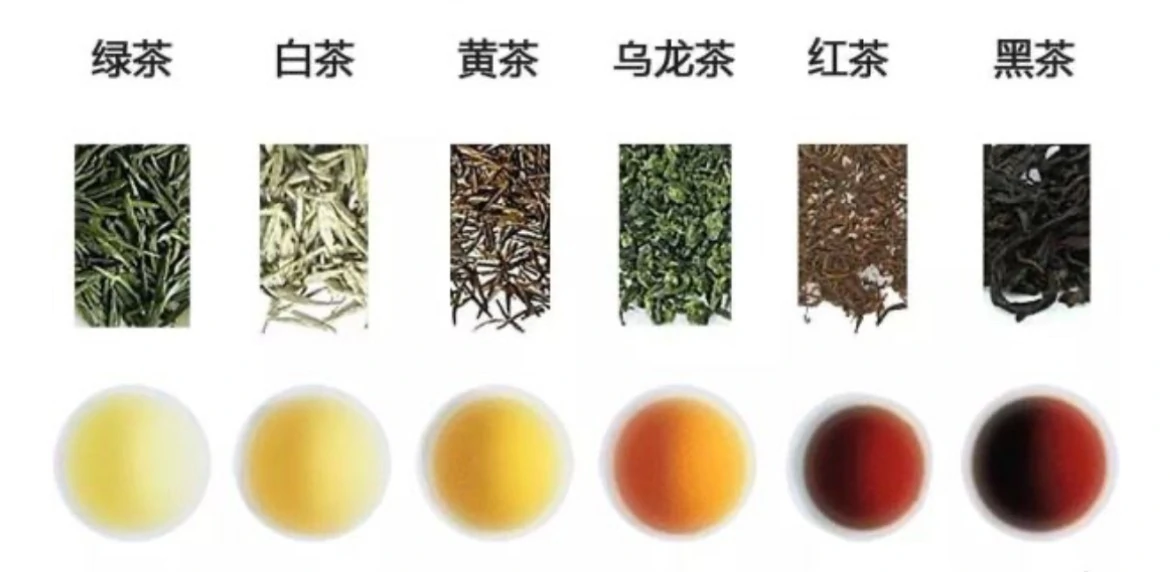
Green Tea White Tea Yellow Tea Oolong tea Black Tea Dark Tea
茶叶种类 Tea Type
.jpg)
茶具 Tea Set
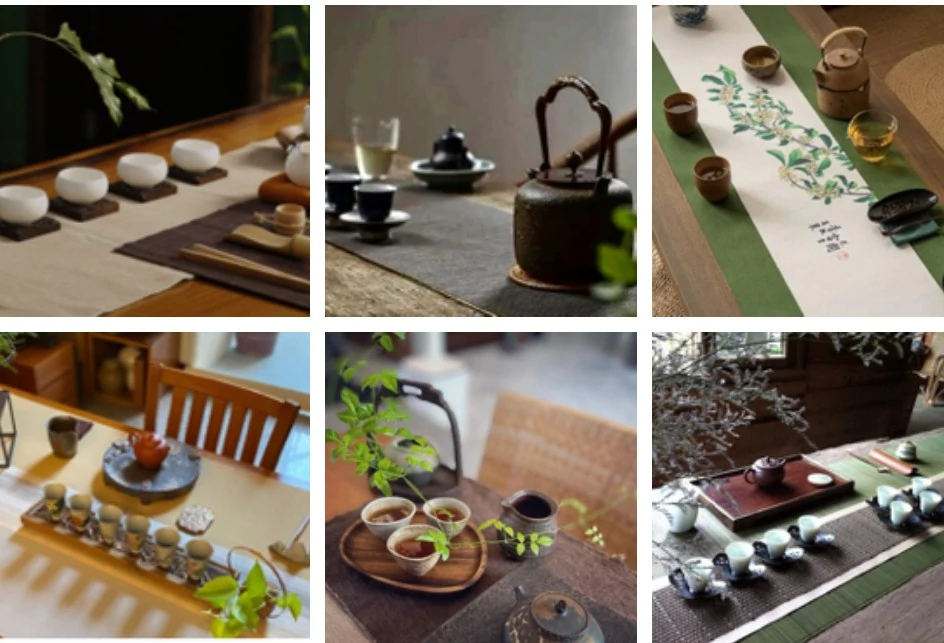
茶艺 Tea Art
中国茶道的茶礼和茶艺,是中华茶文化的重要组成部分,体现了待客之道和个人修养。茶礼和茶艺包括茶具的准备、温杯、泡茶、敬茶、品茗等环节,每个环节都有其特定的礼仪规范,以表达对茶、对客人的尊重。
准备: 洁净:茶具在使用前,要用热水烫洗,确保干净卫生,展现对客人的尊重。 摆放:茶杯应放在客人右手前方,方便取用。 茶量:泡茶时,茶叶不宜过多或过少,一般以七分茶为宜,寓意“七分茶,三分情”。 烫壶: 在泡茶之前,先用开水将茶壶烫热。
泡茶: 水温:依据茶叶种类和个人喜好,控制水温,使茶汤达到最佳口感。 手法:泡茶时,动作要轻柔优雅,展现茶艺的魅力。 温杯: 在倒第一泡茶入茶杯时,先用开水将茶杯温热。 敬茶: 双手奉茶:敬茶时,要用双手端着茶杯,一只手托住杯底,另一只手扶住杯身,以示尊重。 微笑注视:面带微笑,眼睛注视对方,表达诚挚的敬意。 添茶:宾主边谈边饮时,要及时主动地为客人添水。 品茗: 小口啜饮:品茶时,要细细品味,小口啜饮,体会茶的香气和滋味。 不作“牛饮”:避免大口豪饮,保持优雅的姿态。 谢茶: 客人应双手接过茶杯,点头致谢。 其他礼仪: 茶席布置:茶席布置应简洁大方,与茶的风格相协调,避免喧宾夺主。 茶点选择:茶点应选择清淡爽口,不宜选择口味过重的茶点。 长幼有序:在安排座位时,应遵循长幼有序的原则,体现对长辈的尊重。 总而言之,中国茶道礼仪体现了中华民族以礼待人的传统美德,是茶文化的重要组成部分。通过遵循这些礼仪,可以更好地体验茶文化的魅力,提升个人修养,同时也能给他人留下良好的印象。
Chinese Tea Ceremony EtiquetteAlso known as tea rites, Chinese tea ceremony etiquette is an essential part of traditional Chinese tea culture. It reflects the values of hospitality and personal cultivation. The ceremony involves several key stages, including the preparation of tea utensils, brewing, serving, and tasting — each governed by specific etiquette rules that express respect for both the tea and the guests.
Preparation of Tea Utensils: • Cleanliness: Tea utensils must be rinsed with hot water before use to ensure hygiene and demonstrate respect for the guests. • Placement: Tea cups should be placed in front of the guest’s right hand for convenient access. • Tea quantity: When brewing, the amount of tea used should be moderate — not too much or too little. Traditionally, filling the cup to 70% is considered ideal, symbolizing “70% tea, 30% affection.”
Warming the Teapot: • Before brewing the tea, pour hot water into the teapot to warm it up. •
Brewing: • Water temperature: The water temperature should be adjusted based on the type of tea and personal preference to bring out the best flavor. • Technique: Movements should be gentle and graceful while brewing, highlighting the elegance of tea artistry. Warming the Teacups: • Before pouring the first infusion into the teacups, rinse them with hot water to preheat them.
Serving Tea: • Offering with both hands: When serving tea, hold the cup with both hands — one supporting the base and the other steadying the side — to show respect. • Smile and eye contact:Serve with a smile and maintain eye contact to express sincere courtesy. • Refilling tea: While chatting and drinking, the host should attentively and promptly refill the guest’s tea.
Tasting Tea: • Sip gently: Tea should be sipped slowly and thoughtfully to savor its aroma and flavor. • Avoid gulping: One should not drink in large gulps; instead, maintain a refined demeanor. • Express thanks: Guests should receive the tea with both hands and nod in appreciation.
Additional Etiquette:• Tea table arrangement: The setup should be simple and elegant, complementing the style of the tea rather than distracting from it.• Selection of tea snacks: Light and refreshing snacks are preferred; overly rich or strongly flavored items should be avoided.• Respect for elders: Seating should follow the principle of honoring age and seniority, demonstrating respect for elders.
In summary, Chinese tea ceremony etiquette embodies the traditional virtue of treating others with respect — a cornerstone of Chinese culture. By observing these rituals, one can better appreciate the art of tea, enhance personal refinement, and leave a lasting positive impression on others.
中国茶道精神的核心可以概括为“和、静、清、寂”,这四个字体现了人与自然、人与人之间的和谐统一,以及内心的宁静和超脱。
和:和谐是茶道的核心,包括天和、地和、人和,以及万物之间的和谐统一。通过茶事活动,引导人们追求和谐,实现人生的和谐与安宁。静:静,意味着内心的平静和宁静。品茶的过程可以帮助人们静下心来,排除杂念,达到一种心境的平和与超然。清:清,指环境的洁净和内心的纯洁。茶道强调饮茶环境的整洁,也要求品茶者保持内心的清明和廉洁。寂:寂,指一种超脱物外的境界。通过品茶,可以使人达到一种内心的宁静和空寂,体会生命的真谛。
The Essence of Chinese Tea Ceremony: Harmony, Tranquility, Purity, and Stillness
At the heart of the Chinese tea ceremony lies the spirit of Harmony, Tranquility, Purity, and Stillness— four principles that embody harmony between people and nature, mutual respect among individuals, and a journey toward inner peace and transcendence.• Harmony: Harmony is the core of the tea ceremony — encompassing harmony with the heavens, the earth, fellow human beings, and all living things. Through the practice of tea, individuals are guided toward seeking balance and serenity in life.•Tranquility: Tranquility refers to a state of inner calm and stillness. The act of drinking tea helps quiet the mind, dispel distractions, and foster a peaceful, detached mindset.• Purity: Purity represents both physical cleanliness and moral purity. The tea ceremony emphasizes a clean and orderly environment, while also encouraging participants to maintain a clear and honest heart.• Stillness: Stillness refers to a profound sense of detachment and spiritual stillness. Through tea, one may experience moments of deep silence and clarity, and come closer to understanding the essence of life.
准备: 洁净:茶具在使用前,要用热水烫洗,确保干净卫生,展现对客人的尊重。 摆放:茶杯应放在客人右手前方,方便取用。 茶量:泡茶时,茶叶不宜过多或过少,一般以七分茶为宜,寓意“七分茶,三分情”。 烫壶: 在泡茶之前,先用开水将茶壶烫热。
泡茶: 水温:依据茶叶种类和个人喜好,控制水温,使茶汤达到最佳口感。 手法:泡茶时,动作要轻柔优雅,展现茶艺的魅力。 温杯: 在倒第一泡茶入茶杯时,先用开水将茶杯温热。 敬茶: 双手奉茶:敬茶时,要用双手端着茶杯,一只手托住杯底,另一只手扶住杯身,以示尊重。 微笑注视:面带微笑,眼睛注视对方,表达诚挚的敬意。 添茶:宾主边谈边饮时,要及时主动地为客人添水。 品茗: 小口啜饮:品茶时,要细细品味,小口啜饮,体会茶的香气和滋味。 不作“牛饮”:避免大口豪饮,保持优雅的姿态。 谢茶: 客人应双手接过茶杯,点头致谢。 其他礼仪: 茶席布置:茶席布置应简洁大方,与茶的风格相协调,避免喧宾夺主。 茶点选择:茶点应选择清淡爽口,不宜选择口味过重的茶点。 长幼有序:在安排座位时,应遵循长幼有序的原则,体现对长辈的尊重。 总而言之,中国茶道礼仪体现了中华民族以礼待人的传统美德,是茶文化的重要组成部分。通过遵循这些礼仪,可以更好地体验茶文化的魅力,提升个人修养,同时也能给他人留下良好的印象。
Chinese Tea Ceremony EtiquetteAlso known as tea rites, Chinese tea ceremony etiquette is an essential part of traditional Chinese tea culture. It reflects the values of hospitality and personal cultivation. The ceremony involves several key stages, including the preparation of tea utensils, brewing, serving, and tasting — each governed by specific etiquette rules that express respect for both the tea and the guests.
Preparation of Tea Utensils: • Cleanliness: Tea utensils must be rinsed with hot water before use to ensure hygiene and demonstrate respect for the guests. • Placement: Tea cups should be placed in front of the guest’s right hand for convenient access. • Tea quantity: When brewing, the amount of tea used should be moderate — not too much or too little. Traditionally, filling the cup to 70% is considered ideal, symbolizing “70% tea, 30% affection.”
Warming the Teapot: • Before brewing the tea, pour hot water into the teapot to warm it up. •
Brewing: • Water temperature: The water temperature should be adjusted based on the type of tea and personal preference to bring out the best flavor. • Technique: Movements should be gentle and graceful while brewing, highlighting the elegance of tea artistry. Warming the Teacups: • Before pouring the first infusion into the teacups, rinse them with hot water to preheat them.
Serving Tea: • Offering with both hands: When serving tea, hold the cup with both hands — one supporting the base and the other steadying the side — to show respect. • Smile and eye contact:Serve with a smile and maintain eye contact to express sincere courtesy. • Refilling tea: While chatting and drinking, the host should attentively and promptly refill the guest’s tea.
Tasting Tea: • Sip gently: Tea should be sipped slowly and thoughtfully to savor its aroma and flavor. • Avoid gulping: One should not drink in large gulps; instead, maintain a refined demeanor. • Express thanks: Guests should receive the tea with both hands and nod in appreciation.
Additional Etiquette:• Tea table arrangement: The setup should be simple and elegant, complementing the style of the tea rather than distracting from it.• Selection of tea snacks: Light and refreshing snacks are preferred; overly rich or strongly flavored items should be avoided.• Respect for elders: Seating should follow the principle of honoring age and seniority, demonstrating respect for elders.
In summary, Chinese tea ceremony etiquette embodies the traditional virtue of treating others with respect — a cornerstone of Chinese culture. By observing these rituals, one can better appreciate the art of tea, enhance personal refinement, and leave a lasting positive impression on others.
中国茶道精神的核心可以概括为“和、静、清、寂”,这四个字体现了人与自然、人与人之间的和谐统一,以及内心的宁静和超脱。
和:和谐是茶道的核心,包括天和、地和、人和,以及万物之间的和谐统一。通过茶事活动,引导人们追求和谐,实现人生的和谐与安宁。静:静,意味着内心的平静和宁静。品茶的过程可以帮助人们静下心来,排除杂念,达到一种心境的平和与超然。清:清,指环境的洁净和内心的纯洁。茶道强调饮茶环境的整洁,也要求品茶者保持内心的清明和廉洁。寂:寂,指一种超脱物外的境界。通过品茶,可以使人达到一种内心的宁静和空寂,体会生命的真谛。
The Essence of Chinese Tea Ceremony: Harmony, Tranquility, Purity, and Stillness
At the heart of the Chinese tea ceremony lies the spirit of Harmony, Tranquility, Purity, and Stillness— four principles that embody harmony between people and nature, mutual respect among individuals, and a journey toward inner peace and transcendence.• Harmony: Harmony is the core of the tea ceremony — encompassing harmony with the heavens, the earth, fellow human beings, and all living things. Through the practice of tea, individuals are guided toward seeking balance and serenity in life.•Tranquility: Tranquility refers to a state of inner calm and stillness. The act of drinking tea helps quiet the mind, dispel distractions, and foster a peaceful, detached mindset.• Purity: Purity represents both physical cleanliness and moral purity. The tea ceremony emphasizes a clean and orderly environment, while also encouraging participants to maintain a clear and honest heart.• Stillness: Stillness refers to a profound sense of detachment and spiritual stillness. Through tea, one may experience moments of deep silence and clarity, and come closer to understanding the essence of life.
.jpg)
茶室 Tea Room
中国茶道中的茶席,不仅仅是一个品茶的空间,更是一个融合了人文、茶、器物和环境的整体艺术。茶席的设计强调流畅、简洁,追求与自然的和谐统一,通过光线、空气和景观的运用,营造出宁静、雅致的氛围。
1. 空间设计:• 流畅性:茶席的设计注重空间之间的过渡,使人能够自然地从一个区域移动到另一个区域,例如从准备区到品茗区,这种流畅性有助于营造和谐的氛围。• 简洁性:茶席设计通常采用极简主义风格,避免过于繁复的装饰,注重留白,使人能够专注于茶和茶器本身。• 自然元素:充分利用自然光、空气和景观,将自然融入茶席,使人感觉与自然融为一体。功能区域:茶席可以根据需要划分为不同的功能区域,如备茶区、品茗区等,每个区域都有其特定的用途,但又相互协调,共同构成一个完整的茶道空间。
2. 茶席主题:• 意境营造:茶席的设计可以根据不同的主题,如春、夏、秋、冬,或不同的文化内涵,来营造相应的意境。例如,可以选用具有代表性的花卉、器物、字画等来烘托主题。• 情感表达:通过对空间、器物和氛围的精心布置,茶席可以表达对客人的尊重、对自然的热爱,以及对茶文化的感悟。
3. 茶室装饰:当备齐了核心的茶具和设备后,可以根据个人喜好和需求,逐步添置一些辅助和装饰性物品,让茶席更具功能性与个人风格。这些并非入门必需品,可以慢慢发掘和收集 。
• 茶仓 / 茶叶罐 :功能: 密闭的容器,用于储存茶叶,保护其免受光线、湿气、异味的侵害,以保持茶叶的品质与风味 。这是维持茶叶新鲜度的重要工具。 材质: 锡、陶瓷、紫砂、金属、木材等。选择具有良好密闭性的罐子。• 茶巾 :功能: 一块干净、吸水性良好的布,专门用于擦拭茶席间溅出的水滴、擦干杯底或壶底的水渍等,维持茶席的整洁 。 选择: 应选用专门的茶巾,而非厨房抹布。材质多为棉、麻。可以是朴素的素色布,也可以带有雅致的图案或刺绣 。 • 花器与茶席花 :
一件小巧的花器,插上简单的花叶,能为茶席带来生气、季节感与美感 。重点在于简洁,往往只需一枝独秀或寥寥数枝即可 。摆放位置不应妨碍泡茶者的操作视线与动作 。 • 香炉与线香:点燃线香或盘香,其散发的幽香能营造宁静致远的氛围,与茶香相得益彰 。但需注意香气不宜过浓,以免干扰品鉴茶香。 • 装饰物件:
符合茶席主题或个人喜好的小件艺术品、赏石、书法小品等,可以适度点缀茶席 。但布置时应遵循「相合」(与主题相关)、「留白」(避免拥挤)的原则,切忌为了展示而堆砌,失去茶席应有的清雅 。
在布置装饰物时,重要的是理解它们的角色是「画龙点睛」,是为了烘托茶席的主题与氛围,而非喧宾夺主 。装饰的选择应服务于品茶体验本身,过于繁复或与主题无关的摆设反而会分散注意力,破坏宁静专注的气氛。因此,建议初学者从简入手,选择真正能触动自己、与茶或心境相关的物件,少量点缀即可,不必追求华丽繁复的排场。 In Chinese tea culture, the tea space is more than just a place for drinking tea — it is a holistic artistic setting where people, tea, utensils, and the environment are harmoniously integrated. The design of a tea space emphasizes fluidity and simplicity, aiming for unity with nature. Through the thoughtful use of light, air, and surrounding scenery, it creates a serene and elegant atmosphere.
1. Spatial Design• Flow and Continuity: Tea space design pays attention to the smooth transition between areas, allowing people to move naturally from one zone to another — such as from the preparation area to the tea-tasting area. This flow contributes to a harmonious atmosphere.• Simplicity: The aesthetic often follows a minimalist approach, avoiding excessive decoration and embracing the concept of emptiness or open space, allowing focus to rest on the tea and the teaware itself.• Integration of Natural Elements:Natural light, air circulation, and outdoor views are skillfully incorporated into the design, helping participants feel united with nature and creating a peaceful, grounded environment.• Functional Zoning:Depending on needs, the tea space can be divided into various functional areas — such as a tea preparation zone and a tea appreciation zone. Each has its own purpose, but they work in harmony to form a unified tea experience.
2. Tea Space Themes• Creating a Sense of Aesthetic Mood (Yijing):The tea space can be designed around seasonal themes — spring, summer, autumn, and winter — or inspired by particular cultural or poetic motifs. Elements like seasonal flowers, symbolic objects, calligraphy, or paintings can be used to enhance the chosen theme.• Emotional Expression:Through the careful arrangement of space, objects, and ambiance, the tea space becomes a medium for expressing respect toward guests, reverence for nature, and deeper insights into tea culture.
3. Tea Room DecorationOnce the essential tea ware and equipment are in place, you may gradually add auxiliary and decorative items to enhance both the functionality and personal character of your tea space. These are not must-haves for beginners, but rather thoughtful additions to be discovered and collected over time.• Tea Caddy / Tea CanisterFunction: An airtight container designed to store tea leaves, shielding them from light, moisture, and unwanted odors to preserve their quality and flavor. It is a key tool in maintaining tea freshness. Materials: Common options include tin, ceramic, Yixing clay, metal, and wood. Choose a canister with a reliable seal.• Tea Cloth:Function: A clean, absorbent cloth used to wipe away spilled water on the tea table or to dry the bottom of cups and teapots, helping to maintain a tidy tea setting.• Selection: Use a dedicated tea cloth rather than a kitchen rag. Materials like cotton or linen are ideal. It may be plain or adorned with elegant patterns or embroidery.• Flower Vase & Tea Flowers:A Touch of Life and Seasonality• A small vase with a few simple flowers or leaves can bring vitality, a sense of the season, and aesthetic charm to the tea table. Emphasis should be on simplicity—often just one or a few branches are enough.• The arrangement should not obstruct the host’s line of sight or tea-brewing movements.• Incense Burner & Incense Sticks Lighting stick or coil incense adds a subtle fragrance that fosters tranquility and complements the aroma of tea. The scent should be gentle and not overpowering, so as not to interfere with the appreciation of the tea’s natural fragrance.• Decorative ObjectsSmall art pieces, ornamental stones, calligraphy, or other items that match the theme or reflect personal taste can subtly enrich the tea setting.
When arranging decorations, follow the principles of harmony (relevance to the theme) and emptiness (allowing space to breathe). Avoid over-cluttering, which can overwhelm the quiet elegance the tea space should embody.
When selecting and placing decorative items, remember their role is to enhance — not dominate — the tea setting. Their purpose is to highlight the theme and atmosphere, supporting the tea experience rather than distracting from it.
For beginners, it’s best to start simply. Choose a few meaningful objects that resonate with you or your state of mind, especially those that connect to the tea or the present moment. A few thoughtful touches go much further than elaborate displays..
在布置装饰物时,重要的是理解它们的角色是「画龙点睛」,是为了烘托茶席的主题与氛围,而非喧宾夺主 。装饰的选择应服务于品茶体验本身,过于繁复或与主题无关的摆设反而会分散注意力,破坏宁静专注的气氛。因此,建议初学者从简入手,选择真正能触动自己、与茶或心境相关的物件,少量点缀即可,不必追求华丽繁复的排场。 In Chinese tea culture, the tea space is more than just a place for drinking tea — it is a holistic artistic setting where people, tea, utensils, and the environment are harmoniously integrated. The design of a tea space emphasizes fluidity and simplicity, aiming for unity with nature. Through the thoughtful use of light, air, and surrounding scenery, it creates a serene and elegant atmosphere.
1. Spatial Design• Flow and Continuity: Tea space design pays attention to the smooth transition between areas, allowing people to move naturally from one zone to another — such as from the preparation area to the tea-tasting area. This flow contributes to a harmonious atmosphere.• Simplicity: The aesthetic often follows a minimalist approach, avoiding excessive decoration and embracing the concept of emptiness or open space, allowing focus to rest on the tea and the teaware itself.• Integration of Natural Elements:Natural light, air circulation, and outdoor views are skillfully incorporated into the design, helping participants feel united with nature and creating a peaceful, grounded environment.• Functional Zoning:Depending on needs, the tea space can be divided into various functional areas — such as a tea preparation zone and a tea appreciation zone. Each has its own purpose, but they work in harmony to form a unified tea experience.
2. Tea Space Themes• Creating a Sense of Aesthetic Mood (Yijing):The tea space can be designed around seasonal themes — spring, summer, autumn, and winter — or inspired by particular cultural or poetic motifs. Elements like seasonal flowers, symbolic objects, calligraphy, or paintings can be used to enhance the chosen theme.• Emotional Expression:Through the careful arrangement of space, objects, and ambiance, the tea space becomes a medium for expressing respect toward guests, reverence for nature, and deeper insights into tea culture.
3. Tea Room DecorationOnce the essential tea ware and equipment are in place, you may gradually add auxiliary and decorative items to enhance both the functionality and personal character of your tea space. These are not must-haves for beginners, but rather thoughtful additions to be discovered and collected over time.• Tea Caddy / Tea CanisterFunction: An airtight container designed to store tea leaves, shielding them from light, moisture, and unwanted odors to preserve their quality and flavor. It is a key tool in maintaining tea freshness. Materials: Common options include tin, ceramic, Yixing clay, metal, and wood. Choose a canister with a reliable seal.• Tea Cloth:Function: A clean, absorbent cloth used to wipe away spilled water on the tea table or to dry the bottom of cups and teapots, helping to maintain a tidy tea setting.• Selection: Use a dedicated tea cloth rather than a kitchen rag. Materials like cotton or linen are ideal. It may be plain or adorned with elegant patterns or embroidery.• Flower Vase & Tea Flowers:A Touch of Life and Seasonality• A small vase with a few simple flowers or leaves can bring vitality, a sense of the season, and aesthetic charm to the tea table. Emphasis should be on simplicity—often just one or a few branches are enough.• The arrangement should not obstruct the host’s line of sight or tea-brewing movements.• Incense Burner & Incense Sticks Lighting stick or coil incense adds a subtle fragrance that fosters tranquility and complements the aroma of tea. The scent should be gentle and not overpowering, so as not to interfere with the appreciation of the tea’s natural fragrance.• Decorative ObjectsSmall art pieces, ornamental stones, calligraphy, or other items that match the theme or reflect personal taste can subtly enrich the tea setting.
When arranging decorations, follow the principles of harmony (relevance to the theme) and emptiness (allowing space to breathe). Avoid over-cluttering, which can overwhelm the quiet elegance the tea space should embody.
When selecting and placing decorative items, remember their role is to enhance — not dominate — the tea setting. Their purpose is to highlight the theme and atmosphere, supporting the tea experience rather than distracting from it.
For beginners, it’s best to start simply. Choose a few meaningful objects that resonate with you or your state of mind, especially those that connect to the tea or the present moment. A few thoughtful touches go much further than elaborate displays..