日本茶道 Japanese Tea Ceremony
抹茶道和煎茶道 Matcha-do and Sencha-do
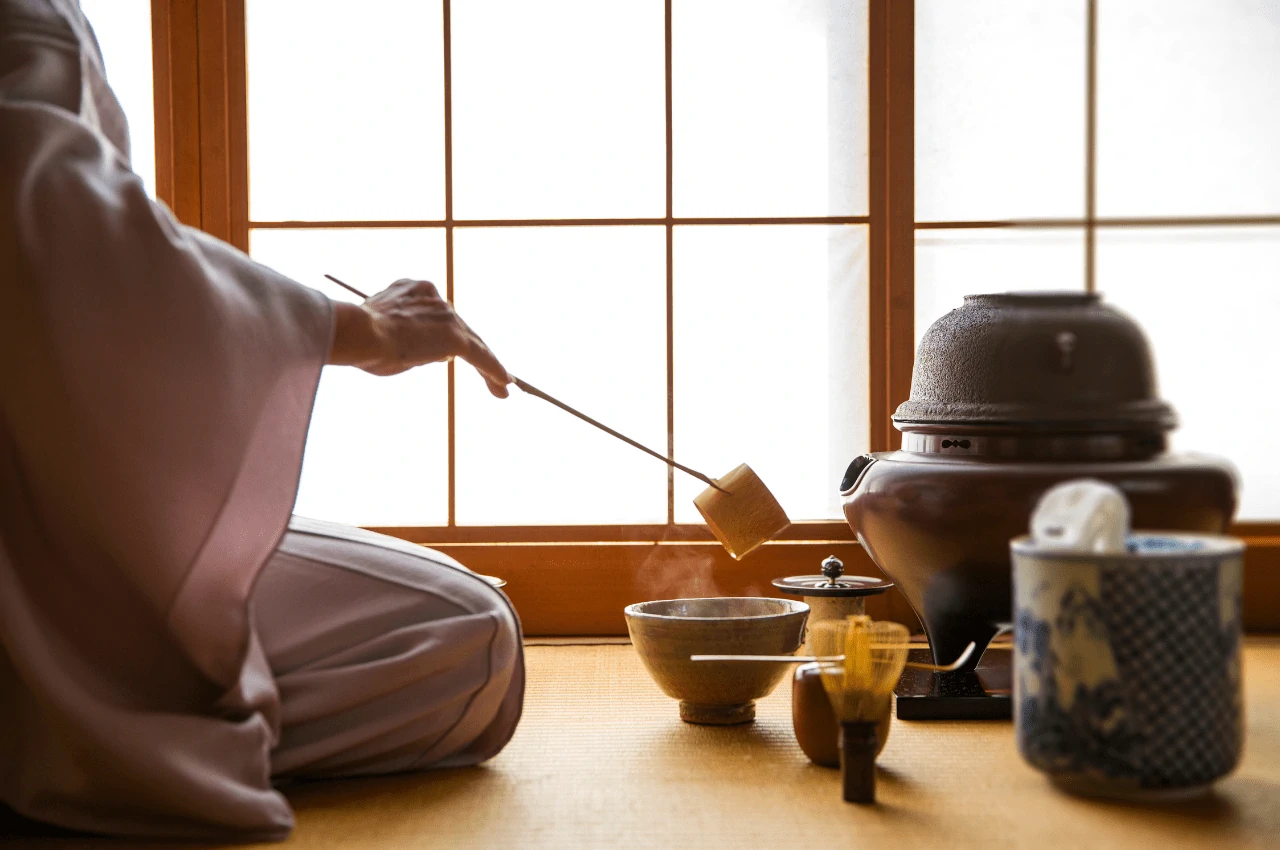
抹茶道和煎茶道是日本茶道的两大主要流派,它们的历史渊源和发展历程有显著的不同。抹茶道 (Matcha-do/Chanoyu/Sado): 其历史可以追溯到中国唐朝(7-10世纪),当时茶叶被蒸煮、制成粉末并与热水混合饮用。这种饮茶方式在12世纪由日本禅宗僧侣荣西带回日本鎌仓时期(1185-1333)。最初,抹茶主要在寺院中作为药用和辅助冥想之用。随着时间的推移,抹茶在室町时代(1338-1573)开始发展,并在15-16世纪受到禅宗佛教和武士文化的影响,逐渐演变成一种精致的艺术形式。对抹茶道发展影响深远的历史人物包括:* 荣西 (Eisai): 将抹茶和抹茶的搅拌方法从中国引入日本。* 村田珠光 (Murata Juko): 为日本茶道奠定了基础,强调其精神层面,并提出了宁静、尊敬、纯洁和安详的核心价值观。* 武野绍鸥 (Takeno Joo): 进一步发展了珠光的风格,融入了和歌等日本文学元素,并持续简化茶室。* 千利休 (Sen no Rikyu): 被认为是对抹茶道影响最深远的人物,他将茶道规范化为现代形式,强调侘寂(不完美中的美)、谦逊(通过躏口进入茶室)以及和、敬、清、寂的四项基本原则。他还偏爱日本茶具,并设计了简朴的茶室。抹茶道最初与佛教僧侣和贵族有关,后来成为武士阶级地位的象征,他们将其用于培养正念、纪律和社交。千利休也使茶道更贴近平民,并在织田信长和丰臣秀吉等历史人物的政治活动中发挥了作用。
煎茶道 (Sencha-do): 相较于抹茶道,煎茶道的发展较晚,出现在江户时代(1603-1867年),受到中国明朝饮用散叶茶文化的影响。17世纪,中国佛教僧侣隐元将煎茶引入日本。18世纪,被称为「卖茶翁」的僧侣和诗人高游外(俗名:柴山元昭)普及了煎茶道,他反对当时抹茶道日益形式化和追求奢华茶具的倾向,提倡一种更简朴、随意的饮茶方式,类似于中国的工夫茶。对煎茶道发展有重要影响的人物包括:* 隐元 (Ingen): 将中国的冲泡茶和茶具引入日本。* 卖茶翁 (Baisao/Kouyugai): 被视为煎茶道的鼻祖,他提倡简朴的饮茶方式,并在京都街头卖茶。* 永谷宗圆 (Nagatani Soen): 于18世纪发明了制作绿色煎茶的方法,奠定了现代煎茶生产的基础。煎茶道最初受到欣赏中国文化的知识分子、艺术家和文人的青睐,为他们提供了一个比抹茶道更轻松的社交和艺术交流场所。总体而言,抹茶道起源较早,深受禅宗佛教和武士文化的影响,强调精神修养和严谨的仪式;而煎茶道发展较晚,受到中国文人文化的影响,更注重茶的风味和轻松的社交互动。 Matcha-do and Sencha-do: The Two Major Schools of Japanese Tea Culture
Matcha-do (also known as Chanoyu or Sado):Matcha-do traces its roots back to China’s Tang Dynasty (7th–10th centuries), when tea leaves were steamed, ground into powder, and mixed with hot water for consumption. This method of tea preparation was introduced to Japan during the Kamakura period (1185–1333) by the Zen Buddhist monk Eisai. Initially, matcha was primarily used in temples for medicinal purposes and to aid in meditation.Over time, particularly during the Muromachi period (1338–1573), matcha practice evolved, deeply influenced by Zen Buddhism and samurai culture. By the 15th and 16th centuries, it had transformed into a refined art form. Key historical figures who shaped the development of Matcha-do include:• Eisai: Introduced matcha and the method of whisking powdered tea from China to Japan.• Murata Jukō: Laid the philosophical foundation for Japanese tea ceremony, emphasizing its spiritual dimensions and introducing the core values of tranquility, respect, purity, and harmony.• Takeno Jōō: Further developed Jukō’s style by incorporating elements of Japanese poetry (waka) and simplifying the tea room aesthetics.• Sen no Rikyū: Widely regarded as the most influential figure in Matcha-do, he codified the practice into its modern form, emphasizing the beauty of imperfection (wabi-sabi), humility (e.g., entering the tea room through a low doorway), and the four fundamental principles: harmony (wa), respect (kei), purity (sei), and tranquility (jaku). He also favored Japanese tea utensils and designed minimalist tea rooms.Originally associated with Buddhist monks and the aristocracy, Matcha-do later became a symbol of status among the samurai class, who valued it for cultivating mindfulness, discipline, and social etiquette. Sen no Rikyū also brought tea culture closer to the common people and played a role in the political affairs of influential leaders such as Oda Nobunaga and Toyotomi Hideyoshi.Sencha-do:In contrast to the older Matcha-do, Sencha-do developed later during the Edo period (1603–1867), influenced by the Ming Dynasty’s tradition of steeping loose-leaf tea. In the 17th century, the Chinese monk Ingen introduced this style of tea drinking to Japan.Sencha-do was popularized in the 18th century by the monk and poet Baisao (also known as Kouyugai), who rejected the increasingly rigid and ostentatious practices of the matcha tea ceremony. He advocated for a simpler, more spontaneous style of tea drinking—reminiscent of Chinese gongfu tea. Important figures in the development of Sencha-do include:• Ingen: Brought the Chinese method of steeping loose tea and associated teaware to Japan.• Baisao: Considered the father of Sencha-do, he promoted an unpretentious approach to tea and famously sold tea on the streets of Kyoto.• Nagatani Sōen: In the 18th century, he invented a method for processing green sencha, laying the foundation for modern sencha production.Initially embraced by intellectuals, artists, and literati who admired Chinese culture, Sencha-do offered a more relaxed environment for social and artistic exchange compared to the formalities of Matcha-do. Over time, it spread to the broader public.
In Summary:Matcha-do emerged earlier, heavily influenced by Zen Buddhism and samurai culture, and emphasizes spiritual cultivation and disciplined ritual. Sencha-do developed later under the influence of Chinese literati culture, placing more focus on the flavor of tea and casual social interaction.
煎茶道 (Sencha-do): 相较于抹茶道,煎茶道的发展较晚,出现在江户时代(1603-1867年),受到中国明朝饮用散叶茶文化的影响。17世纪,中国佛教僧侣隐元将煎茶引入日本。18世纪,被称为「卖茶翁」的僧侣和诗人高游外(俗名:柴山元昭)普及了煎茶道,他反对当时抹茶道日益形式化和追求奢华茶具的倾向,提倡一种更简朴、随意的饮茶方式,类似于中国的工夫茶。对煎茶道发展有重要影响的人物包括:* 隐元 (Ingen): 将中国的冲泡茶和茶具引入日本。* 卖茶翁 (Baisao/Kouyugai): 被视为煎茶道的鼻祖,他提倡简朴的饮茶方式,并在京都街头卖茶。* 永谷宗圆 (Nagatani Soen): 于18世纪发明了制作绿色煎茶的方法,奠定了现代煎茶生产的基础。煎茶道最初受到欣赏中国文化的知识分子、艺术家和文人的青睐,为他们提供了一个比抹茶道更轻松的社交和艺术交流场所。总体而言,抹茶道起源较早,深受禅宗佛教和武士文化的影响,强调精神修养和严谨的仪式;而煎茶道发展较晚,受到中国文人文化的影响,更注重茶的风味和轻松的社交互动。 Matcha-do and Sencha-do: The Two Major Schools of Japanese Tea Culture
Matcha-do (also known as Chanoyu or Sado):Matcha-do traces its roots back to China’s Tang Dynasty (7th–10th centuries), when tea leaves were steamed, ground into powder, and mixed with hot water for consumption. This method of tea preparation was introduced to Japan during the Kamakura period (1185–1333) by the Zen Buddhist monk Eisai. Initially, matcha was primarily used in temples for medicinal purposes and to aid in meditation.Over time, particularly during the Muromachi period (1338–1573), matcha practice evolved, deeply influenced by Zen Buddhism and samurai culture. By the 15th and 16th centuries, it had transformed into a refined art form. Key historical figures who shaped the development of Matcha-do include:• Eisai: Introduced matcha and the method of whisking powdered tea from China to Japan.• Murata Jukō: Laid the philosophical foundation for Japanese tea ceremony, emphasizing its spiritual dimensions and introducing the core values of tranquility, respect, purity, and harmony.• Takeno Jōō: Further developed Jukō’s style by incorporating elements of Japanese poetry (waka) and simplifying the tea room aesthetics.• Sen no Rikyū: Widely regarded as the most influential figure in Matcha-do, he codified the practice into its modern form, emphasizing the beauty of imperfection (wabi-sabi), humility (e.g., entering the tea room through a low doorway), and the four fundamental principles: harmony (wa), respect (kei), purity (sei), and tranquility (jaku). He also favored Japanese tea utensils and designed minimalist tea rooms.Originally associated with Buddhist monks and the aristocracy, Matcha-do later became a symbol of status among the samurai class, who valued it for cultivating mindfulness, discipline, and social etiquette. Sen no Rikyū also brought tea culture closer to the common people and played a role in the political affairs of influential leaders such as Oda Nobunaga and Toyotomi Hideyoshi.Sencha-do:In contrast to the older Matcha-do, Sencha-do developed later during the Edo period (1603–1867), influenced by the Ming Dynasty’s tradition of steeping loose-leaf tea. In the 17th century, the Chinese monk Ingen introduced this style of tea drinking to Japan.Sencha-do was popularized in the 18th century by the monk and poet Baisao (also known as Kouyugai), who rejected the increasingly rigid and ostentatious practices of the matcha tea ceremony. He advocated for a simpler, more spontaneous style of tea drinking—reminiscent of Chinese gongfu tea. Important figures in the development of Sencha-do include:• Ingen: Brought the Chinese method of steeping loose tea and associated teaware to Japan.• Baisao: Considered the father of Sencha-do, he promoted an unpretentious approach to tea and famously sold tea on the streets of Kyoto.• Nagatani Sōen: In the 18th century, he invented a method for processing green sencha, laying the foundation for modern sencha production.Initially embraced by intellectuals, artists, and literati who admired Chinese culture, Sencha-do offered a more relaxed environment for social and artistic exchange compared to the formalities of Matcha-do. Over time, it spread to the broader public.
In Summary:Matcha-do emerged earlier, heavily influenced by Zen Buddhism and samurai culture, and emphasizes spiritual cultivation and disciplined ritual. Sencha-do developed later under the influence of Chinese literati culture, placing more focus on the flavor of tea and casual social interaction.
茶道步骤 Tea Ceremony Procedure
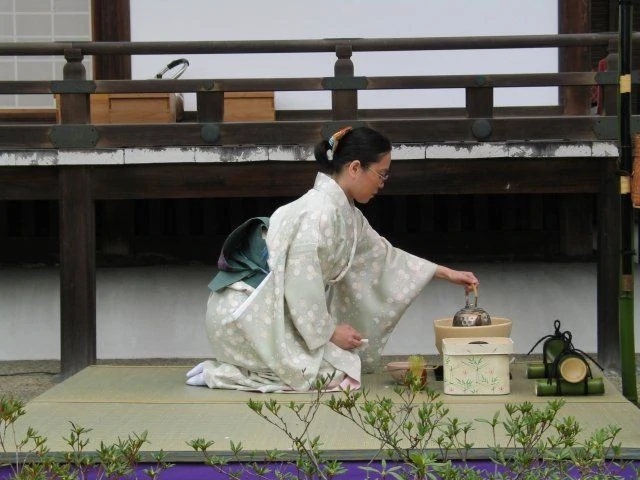
抹茶道使用名为「碾茶 (Tencha)」的茶叶。碾茶是在收获前约三周遮荫种植的绿茶叶,经过蒸青后干燥,去除茎脉,再用石磨磨成极细的粉末,即为抹茶。仪式上使用的抹茶通常是最高等级的「茶道用抹茶 (Ceremonial Grade)」,由每年最早采摘的嫩叶制成,具有细腻、天然的甜味和鲜艳的绿色。点茶步骤:1. 茶碗预热: 先用沸水温热茶碗,然后倒掉。2. 茶筅润湿:将竹制茶筅放入热水中浸泡,使其软化。3. 抹茶过筛: 使用细网筛将适量的抹茶(薄茶约2克,浓茶约4克)筛入茶碗中,以去除结块,确保茶粉细腻。4. 加水调制: 倒入少量约70-85°C的热水(薄茶约70毫升,浓茶约40毫升)。水温过高会使抹茶产生苦味。5. 刷茶: 使用茶筅快速而有力地以「W」或「M」字形搅拌(薄茶),或缓慢地揉捏(浓茶),直到抹茶完全溶解,表面形成一层细腻的泡沫(薄茶)或呈现浓稠如蜂蜜般的质地(浓茶)。6. 调整泡沫: 对于薄茶,搅拌后可轻轻提起茶筅,在茶碗表面画圈,去除较大的气泡,使泡沫更加细致。饮用方式:抹茶是直接饮用悬浮在水中的茶粉,而不是像其他茶一样只喝茶汤。饮用时,通常会搭配和果子(日式点心)以平衡抹茶的微苦。
.Matcha-do uses a specific type of green tea leaf called tencha. These leaves are grown in the shade for about three weeks before harvest, a process that enhances their chlorophyll content and sweetens their flavor. After harvesting, the leaves are steamed, dried, and de-stemmed. The resulting pure leaf material is then ground into an ultra-fine powder using traditional stone mills, producing what we know as matcha.For formal tea ceremonies, only the highest quality ceremonial grade matcha is used. This matcha is made from the earliest spring harvest of tender young leaves. It features a vivid green color, smooth texture, and naturally sweet, umami-rich flavor with minimal bitterness.Matcha-Making Steps (点茶 / Temae)1. Preheating the Tea Bowl (Chawan)Fill the chawan with hot water to warm it. Discard the water and dry the bowl gently.2. Moistening the Whisk (Chasen)Soak the bamboo whisk in warm water to soften the tines, making it more flexible and less prone to breakage.3. Sifting the Matcha (Furui)Use a fine mesh sifter to sift the matcha powder into the bowl—typically 2 grams for usucha (thin tea) and around 4 grams for koicha (thick tea). This removes clumps and ensures a smooth texture.4. Adding Hot WaterPour in hot water between 70–85°C (158–185°F). For thin tea (usucha), add about 70 ml; for thick tea (koicha), about 40 ml. Water that is too hot can cause bitterness.5. Whisking the Matcha• For usucha (thin tea): Whisk briskly in a zigzag motion (like an “M” or “W”) until a fine, even foam forms on the surface.• For koicha (thick tea): Whisk more slowly, using a kneading motion to blend the tea into a smooth, syrup-like consistency without foam.6. Refining the Foam (for usucha only)Gently lift the whisk and make small circular motions on the surface to eliminate larger bubbles and create a silky, refined foam.Drinking Method:Unlike most teas, matcha is consumed in full, meaning you ingest the suspended powdered tea rather than just the infused liquid. It is typically served with a traditional wagashi (Japanese confection) beforehand, which balances the slight bitterness of the tea with sweetness.Drinking etiquette often includes: • Rotating the chawan slightly before sipping (to avoid drinking from the front, out of respect). • Drinking in a few steady sips, appreciating the flavor, temperature, and texture.
煎茶道主要使用散叶茶,特别是高级的煎茶和玉露。煎茶是将茶叶在阳光下种植,经过蒸青后干燥制成。玉露则是在收获前约三周遮荫种植,具有更浓郁的甘甜味。泡茶步骤:1. 温壶温杯: 将热水倒入茶壶和茶杯中,温热后倒掉。2. 放入茶叶: 将适量的煎茶叶(约每杯1-2茶匙)放入茶壶中。3. 冷却水温: 将煮沸的水倒入称为「汤冷まし (Yuzamashi)」的冷水碗中,或先倒入茶杯再倒回茶壶,以将水温降至约70-80°C(玉露则更低,约60°C)。水温过高会使煎茶产生苦涩味。4. 注水: 将冷却后的热水倒入茶壶中。5. 静置浸泡: 静置浸泡约30秒至1分钟(玉露则需更长时间,约2-3分钟)。浸泡时间过长也会导致苦味。6. 分茶: 将茶汤均匀地倒入各个茶杯中,通常会分多次倒入,以确保每杯茶的浓度和风味一致。最后一滴茶汤被认为是最精华的部分,应完全倒入。7. 再次冲泡: 煎茶通常可以冲泡多次,第二次和第三次冲泡的水温可以略高,浸泡时间则更短。饮用方式:煎茶是饮用茶叶浸泡出的茶汤。通常会搭配较为清淡的茶点。
Sencha-do primarily uses loose-leaf green tea, especially high-grade sencha and gyokuro.• Sencha is grown under full sunlight and processed by steaming the leaves shortly after harvest, followed by drying. This method preserves the tea’s fresh, grassy aroma and imparts a balance of umami, bitterness, and astringency.• Gyokuro, on the other hand, is shade-grown for about three weeks before harvesting. The shading process increases the levels of amino acids, particularly L-theanine, resulting in a richer, sweeter flavor and a more vibrant green color compared to sencha.Brewing Steps (Preparing Sencha)1. Warming the Teapot and Cups (Yuwakai )Pour hot water into the teapot and cups to preheat them. Then discard the water. This step stabilizes the brewing temperature and helps extract tea evenly.2. Adding Tea LeavesPlace the appropriate amount of loose-leaf tea into the teapot—generally 1–2 teaspoons per cup (about 3–5 grams).3. Cooling the Water (Yuzamashi)Pour freshly boiled water into a yuzamashi (a cooling bowl), or into the cups and back into the teapot, to bring the water temperature down to the ideal range:• 70–80°C (158–176°F) for sench• ~60°C (140°F) for gyokuroWater that is too hot can extract bitterness and ruin the tea’s delicate flavors.4. Pouring Water into the TeapotAfter cooling, pour the water into the teapot containing the tea leaves.5. Steeping the TeaLet the tea steep:• 30 seconds to 1 minute for sencha• 2–3 minutes for gyokuroOver-steeping will increase bitterness and astringency.6. Evenly Pouring the TeaPour the tea gradually into multiple cups in rounds, alternating between each to ensure even distribution of strength and flavor. The final drops are especially prized and should be fully extracted from the pot.7. Re-infusing the LeavesHigh-quality sencha and gyokuro can be brewed multiple times. For second and third infusions, slightly increase the temperature but reduce steeping time.Drinking Method:Sencha is consumed as an infusion, meaning only the tea liquor (not the leaves) is drunk. It is typically enjoyed alongside light, delicate snacks, often wagashi or seasonal sweets, which complement the tea without overpowering its subtle taste.Sencha-do emphasizes calmness, attentiveness, and the aesthetic appreciation of the tea’s aroma, color, and flavor. While less ritualized than matcha-do, it still values harmony and intentionality.
茶道道具 Tea Ceremony Utensils
抹茶道道具* 茶碗: 陶瓷制的茶碗,形状和大小各异,通常较一般碗深且宽,方便刷茶。不同季节和场合会使用不同的茶碗。* 茶筅: 竹制的搅拌器,由一根竹子手工制成,具有数十到上百根细密的竹丝,用于将抹茶和水混合并产生泡沫。* 茶杓: 竹制的茶匙,用于舀取抹茶粉末。一茶杓约可舀取1克抹茶。* 枣:小巧的漆器或木制容器,用于存放薄茶用的抹茶。* 茶入: 陶瓷制的容器,通常搭配丝绸袋,用于存放浓茶用的高级抹茶。* 柄杓:竹制的长柄勺,用于从茶釜中舀取热水。* 茶釜: 铁制的茶壶,用于烧水。* 建水: 主人在茶室中用来盛放清洗茶碗等废水的容器。* 茶漉:细网筛,用于过滤抹茶粉末。* 茶筅架: 陶瓷制的茶筅架,用于保持茶筅的形状并使其干燥。
Matcha-do Utensils
matcha:•Tea BowlA ceramic bowl used for whisking and drinking matcha. Chawan come in various shapes and styles, often selected based on the season or occasion. They are typically deeper and wider than regular bowls to facilitate whisking and to appreciate the tea’s appearance.• Bamboo WhiskHandcrafted from a single piece of bamboo, the chasen features dozens (sometimes over a hundred) of fine tines. It is essential for whisking matcha and water together, creating a smooth consistency and a frothy surface (in thin tea).• Bamboo ScoopA curved bamboo scoop used to measure and transfer matcha powder into the bowl. One scoop typically holds about 1 gram of matcha.• Tea Caddy (for Thin Tea)A small, often lacquered wooden container used to store matcha for usucha (thin tea). Its name, meaning “jujube,” refers to its resemblance in shape.• Tea Caddy (for Thick Tea)A ceramic container used to store koicha (thick tea). It is usually accompanied by a decorative silk pouch called a shifuku, emphasizing its high status and the quality of tea it holds.• Bamboo LadleA long-handled bamboo ladle used to scoop hot water from the kettle into the tea bowl. The shape and size may vary slightly depending on season or tradition.• Iron KettleAn iron kettle used to boil and keep hot water during the tea ceremony. It often occupies the central position in the tearoom hearth.• Waste Water BowlA container for discarding used water, such as the rinse water from preheating the chawan or cleaning the whisk. Typically made of metal or ceramic.• Tea SifterA fine mesh sieve used to sift matcha powder before preparation. This ensures the powder is smooth and free of clumps, contributing to a refined texture.• Whisk HolderA ceramic stand used to maintain the shape of the chasen after use and to help it dry evenly, prolonging its life and preserving its form.
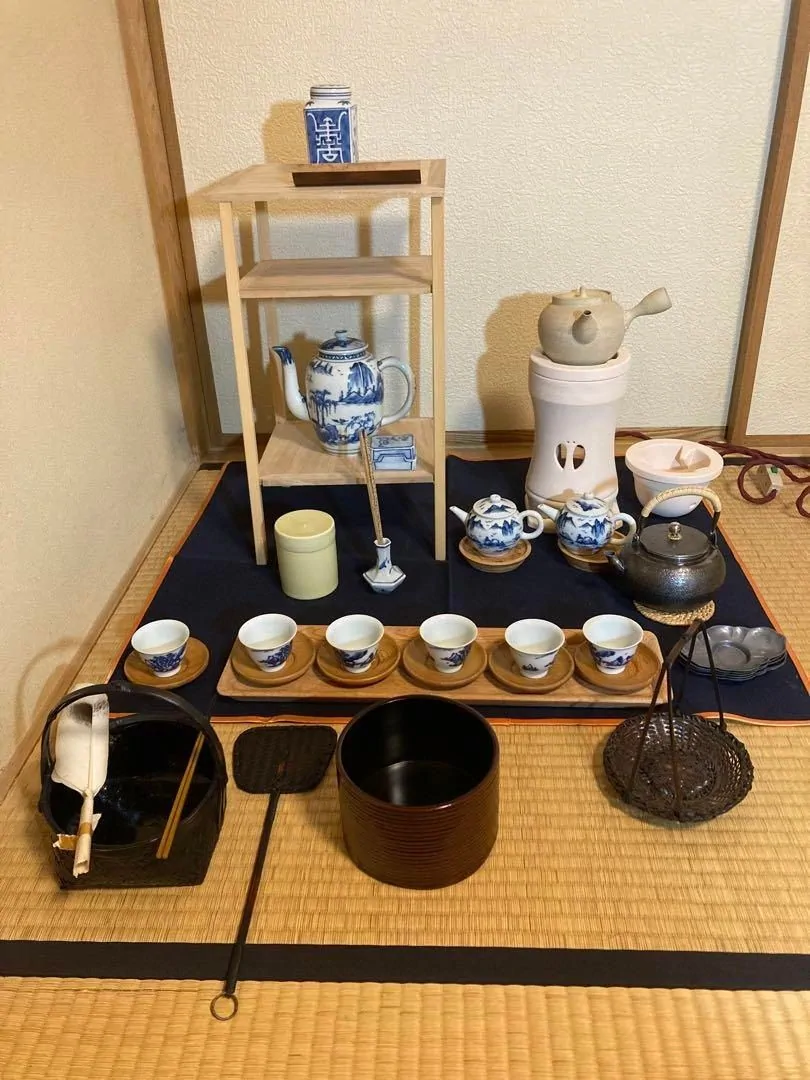
煎茶道道具* 急须:陶瓷或陶制的小茶壶,通常带有侧把手和内置滤网,专门用于冲泡日本绿茶。也有称为「宝瓶」的无把手小茶壶,用于冲泡高级茶如玉露。* 茶杯: 小巧的无把手茶杯,通常为瓷器或陶器制成,用于饮用煎茶。* 冷却容器: 用于冷却热水的碗或小壶,以达到适合冲泡煎茶的温度。* 茶筒: 用于存放煎茶叶的茶叶罐,通常为金属或木制,具有良好的密封性。* 茶匙: 用于量取煎茶叶的茶匙,材质多为木或竹。* 建水: 与抹茶道相同,用于盛放废水。* 茶托:茶杯的托盘,材质有金属、木或漆器。* 茶柜: 用于收纳茶具的柜子或箱子。
Sencha-do Utensils
• TeapotA small ceramic or earthenware teapot specifically designed for brewing Japanese green tea. Most kyūsu have a side handle and an internal mesh strainer, making them ideal for precise pouring and leaf control. • Tea CupA small, handle-less ceramic or porcelain cup used for drinking sencha. Compared to matcha bowls, yunomi are smaller and more cylindrical, reflecting the casual yet refined nature of sencha drinking.• Cooling VesselA bowl or small pitcher used to cool down freshly boiled water to the appropriate temperature before pouring it over tea leaves. Proper water temperature is crucial to avoid bitterness.• Tea CanisterA well-sealed metal or wooden container for storing loose-leaf sencha or gyokuro. Chazutsu protect tea from air, light, and moisture, preserving its flavor and aroma.• Tea ScoopA scoop made from wood or bamboo, used to measure out loose tea leaves for brewing. The shape and size are optimized for dry sencha leaves.• Waste Water BowlAs in matcha-do, the kensui is used to discard water used for preheating utensils or leftover tea. Usually made of metal, ceramic, or plastic.• Tea SaucerA small saucer placed beneath the yunomi. Made from materials such as wood, lacquerware, or metal, it adds elegance and protects surfaces from heat or drips.• Tea Utensil Cabinet or BoxA storage box or cabinet used to neatly organize and carry tea utensils. Chaki is essential for formal sencha gatherings, ensuring both practicality and aesthetic presentation.
文化内涵 Culture Connotations
抹茶道和煎茶道有着不同的审美观和文化内涵。
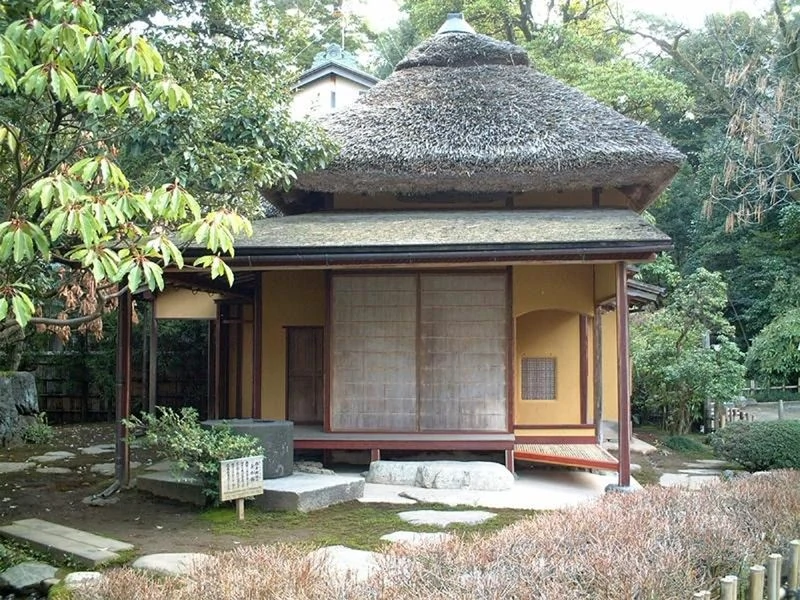
茶室布置和庭园设计:抹茶道:* 茶室布置: 强调极简主义和自然朴素的「侘寂」美学。茶室通常空间狭小,使用天然材料如木材、竹子和纸张建造,装饰极少,仅在壁龛悬挂字画或摆放应季花卉。目的是营造一个宁静、简朴、脱离尘嚣的氛围,使参与者能够专注于茶本身和内心的修养。* 庭园设计: 露地(通往茶室的小路)设计旨在营造一个与世隔绝、清幽雅致的氛围,引导客人从日常世界过渡到茶道的精神世界。露地通常布置有踏脚石、石灯笼、洗手钵和等候用的凉亭。植物的选择也偏向自然,避免色彩鲜艳或气味浓烈的花卉。煎茶道:* 茶室布置: 相较于抹茶道,煎茶道的茶室布置可能更为明亮和华丽,体现了文人雅士的审美情趣。可能会使用更精致的装饰品,如中国风格的家具、字画、古董等。虽然也追求清静,但可能更注重视觉上的美感和艺术性。* 庭园设计: 关于煎茶道庭园的具体设计特色,资料较少。但可以推测,其庭园风格可能也受到中国园林的影响,注重景观的层次感和意境的营造,可能包含假山、池塘等元素,风格可能比抹茶道的露地更为开阔和多样。抹茶道和煎茶道在仪式流程、动作规范和服装要求等方面存在的不同,反映了其不同的文化意涵。仪式流程:* 抹茶道: 仪式流程非常严谨和程式化,每一个动作都有其特定的意义和规范,例如点茶时的搅拌方式、奉茶时的转碗动作、以及欣赏茶碗的礼仪等。正式的抹茶道仪式可能持续数小时,包括怀石料理、浓茶和薄茶等环节。* 煎茶道: 相对而言,煎茶道的仪式流程较为简洁和随意。虽然也有一定的程式,但更注重主人与客人之间的轻松交流和对茶叶本身风味的欣赏。仪式中可能包含主人向客人展示茶具、字画等环节。动作规范:* 抹茶道: 对于主人和客人的动作都有严格的规范,例如入室时的鞠躬、就座时的姿势(正坐)、取碗和饮茶的动作等都有一套固定的流程。这些规范旨在营造庄重、肃穆的氛围。* 煎茶道: 动作规范相对宽松,但仍然讲究优雅和得体。主人在泡茶和奉茶时需要展现一定的技巧和美感,客人则以自1然、放松的姿态品茶。服装要求:* 抹茶道: 在正式的场合,主人和客人都会穿着传统的和服。现代的茶道体验则可能允许穿着得体的西式服装,但应避免过于暴露或花哨的服饰。进入茶室前通常需要脱鞋并穿着袜子。* 煎茶道: 服装要求通常比抹茶道更为宽松,但仍然以整洁、朴素为宜。正式场合也可能穿着和服,但非正式的聚会则更为随意。文化意涵:* 抹茶道: 强调「和、敬、清、寂」的精神,追求人与人、人与自然的和谐,以及内心的平静。严谨的仪式和动作规范体现了对传统、对他人和对自我的尊重。* 煎茶道: 更强调「清、和、怡、真」的意境,追求清雅的茶味、和乐的氛围、身心的愉悦和真诚的交流。相对自由的仪式流程反映了对个性和艺术欣赏的重视。总体而言,抹茶道更像是一种具有宗教和哲学意味的修行,而煎茶道则更偏向于一种文人雅士的生活情趣。
Aesthetic Principles and Cultural Connotations of Matcha-do and Sencha-do
Tea Room Layout and Garden DesignMatcha-do:• Tea Room Layout:Matcha-do emphasizes the minimalist and rustic aesthetic of wabi-sabi, valuing simplicity and the beauty of imperfection. Tea rooms are usually small, built with natural materials such as wood, bamboo, and paper. Decorations are minimal, often limited to a seasonal flower arrangement or a hanging scroll in the alcove (tokonoma). The goal is to create a serene and unadorned atmosphere, allowing participants to focus on the tea and cultivate inner peace.• Garden Design:The tea garden, known as roji (“dewy path”), is designed to guide guests from the everyday world into the spiritual realm of the tea ceremony. The roji typically features stepping stones, stone lanterns, a washbasin (tsukubai), and a waiting pavilion. Plant selections favor natural, subdued foliage, avoiding brightly colored or strongly scented flowers, to maintain a sense of quiet elegance and seclusion.
Sencha-do:• Tea Room Layout:Compared to Matcha-do, Sencha-do tea rooms are often brighter and more ornate, reflecting the refined tastes of literati and scholars. Decorations may include Chinese-style furniture, calligraphy, paintings, and antiques (karamono). While tranquility is still valued, greater emphasis is placed on visual appeal and artistic expression.• Garden Design:Specific design elements of Sencha-do gardens are less well-documented, but they are believed to be influenced by Chinese garden aesthetics. These gardens likely feature layered scenery, artistic composition, and symbolic landscapes—such as artificial hills, ponds, and scholar rocks—resulting in a more expansive and diverse style compared to the restrained roji of Matcha-do.
Ceremonial Procedures, Movement Protocols, and Dress CodesCeremonial Procedures:• Matcha-do:The ceremony is highly formal and ritualized. Every gesture carries meaning—from how the tea is whisked, to the way the bowl is turned when offering or receiving it, and the etiquette of admiring the tea utensils. A full Matcha-do gathering may last several hours and include a multi-course kaiseki meal, followed by thick tea (koicha) and thin tea (usucha).• Sencha-do:The procedures are generally simpler and more relaxed. While there is still a structure, the emphasis is on the interaction between host and guest, and the appreciation of the tea’s flavor. The host may also introduce the tea utensils, calligraphy, or art on display during the session.Movement Protocols:• Matcha-do:Strict codes of movement apply to both hosts and guests. For example, bowing upon entering, sitting in seiza (formal kneeling posture), and the precise ways of handling the tea bowl. These refined actions help create a solemn and respectful atmosphere.• Sencha-do:Movements are more relaxed but still emphasize grace and decorum. The host performs tea preparation with elegance, and guests are encouraged to enjoy the tea with a natural and composed demeanor.Dress Codes:• Matcha-do:In formal settings, both host and guests traditionally wear kimono. In more casual modern settings, modest Western clothing is acceptable, though overly flashy or revealing attire is discouraged. Shoes are removed before entering the tea room, and socks are usually worn.• Sencha-do:Dress codes are generally more flexible. While kimono may be worn on formal occasions, simple and neat attire is typically sufficient for informal gatherings.Cultural Connotations:• Matcha-do:Embodies the spiritual ideals of wa, kei, sei, jaku—harmony, respect, purity, and tranquility. The formal structure and rigorous etiquette reflect a deep respect for tradition, others, and oneself. It fosters a meditative state and a harmonious relationship with nature.• Sencha-do:Expresses the spirit of sei, wa, i, shin—clarity, harmony, joy, and sincerity. It emphasizes the refined taste of tea, a pleasant social atmosphere, personal enjoyment, and genuine connection. Its more liberal structure reflects an appreciation for individuality and artistic sensitivity.
In Summary:Matcha-do can be seen as a disciplined spiritual and philosophical practice, while Sencha-do represents a cultured lifestyle pursuit embraced by scholars and aesthetes. Both celebrate tea as an art form, but from different cultural and emotional perspectives.
茶室布置和庭园设计:抹茶道:* 茶室布置: 强调极简主义和自然朴素的「侘寂」美学。茶室通常空间狭小,使用天然材料如木材、竹子和纸张建造,装饰极少,仅在壁龛悬挂字画或摆放应季花卉。目的是营造一个宁静、简朴、脱离尘嚣的氛围,使参与者能够专注于茶本身和内心的修养。* 庭园设计: 露地(通往茶室的小路)设计旨在营造一个与世隔绝、清幽雅致的氛围,引导客人从日常世界过渡到茶道的精神世界。露地通常布置有踏脚石、石灯笼、洗手钵和等候用的凉亭。植物的选择也偏向自然,避免色彩鲜艳或气味浓烈的花卉。煎茶道:* 茶室布置: 相较于抹茶道,煎茶道的茶室布置可能更为明亮和华丽,体现了文人雅士的审美情趣。可能会使用更精致的装饰品,如中国风格的家具、字画、古董等。虽然也追求清静,但可能更注重视觉上的美感和艺术性。* 庭园设计: 关于煎茶道庭园的具体设计特色,资料较少。但可以推测,其庭园风格可能也受到中国园林的影响,注重景观的层次感和意境的营造,可能包含假山、池塘等元素,风格可能比抹茶道的露地更为开阔和多样。抹茶道和煎茶道在仪式流程、动作规范和服装要求等方面存在的不同,反映了其不同的文化意涵。仪式流程:* 抹茶道: 仪式流程非常严谨和程式化,每一个动作都有其特定的意义和规范,例如点茶时的搅拌方式、奉茶时的转碗动作、以及欣赏茶碗的礼仪等。正式的抹茶道仪式可能持续数小时,包括怀石料理、浓茶和薄茶等环节。* 煎茶道: 相对而言,煎茶道的仪式流程较为简洁和随意。虽然也有一定的程式,但更注重主人与客人之间的轻松交流和对茶叶本身风味的欣赏。仪式中可能包含主人向客人展示茶具、字画等环节。动作规范:* 抹茶道: 对于主人和客人的动作都有严格的规范,例如入室时的鞠躬、就座时的姿势(正坐)、取碗和饮茶的动作等都有一套固定的流程。这些规范旨在营造庄重、肃穆的氛围。* 煎茶道: 动作规范相对宽松,但仍然讲究优雅和得体。主人在泡茶和奉茶时需要展现一定的技巧和美感,客人则以自1然、放松的姿态品茶。服装要求:* 抹茶道: 在正式的场合,主人和客人都会穿着传统的和服。现代的茶道体验则可能允许穿着得体的西式服装,但应避免过于暴露或花哨的服饰。进入茶室前通常需要脱鞋并穿着袜子。* 煎茶道: 服装要求通常比抹茶道更为宽松,但仍然以整洁、朴素为宜。正式场合也可能穿着和服,但非正式的聚会则更为随意。文化意涵:* 抹茶道: 强调「和、敬、清、寂」的精神,追求人与人、人与自然的和谐,以及内心的平静。严谨的仪式和动作规范体现了对传统、对他人和对自我的尊重。* 煎茶道: 更强调「清、和、怡、真」的意境,追求清雅的茶味、和乐的氛围、身心的愉悦和真诚的交流。相对自由的仪式流程反映了对个性和艺术欣赏的重视。总体而言,抹茶道更像是一种具有宗教和哲学意味的修行,而煎茶道则更偏向于一种文人雅士的生活情趣。
Aesthetic Principles and Cultural Connotations of Matcha-do and Sencha-do
Tea Room Layout and Garden DesignMatcha-do:• Tea Room Layout:Matcha-do emphasizes the minimalist and rustic aesthetic of wabi-sabi, valuing simplicity and the beauty of imperfection. Tea rooms are usually small, built with natural materials such as wood, bamboo, and paper. Decorations are minimal, often limited to a seasonal flower arrangement or a hanging scroll in the alcove (tokonoma). The goal is to create a serene and unadorned atmosphere, allowing participants to focus on the tea and cultivate inner peace.• Garden Design:The tea garden, known as roji (“dewy path”), is designed to guide guests from the everyday world into the spiritual realm of the tea ceremony. The roji typically features stepping stones, stone lanterns, a washbasin (tsukubai), and a waiting pavilion. Plant selections favor natural, subdued foliage, avoiding brightly colored or strongly scented flowers, to maintain a sense of quiet elegance and seclusion.
Sencha-do:• Tea Room Layout:Compared to Matcha-do, Sencha-do tea rooms are often brighter and more ornate, reflecting the refined tastes of literati and scholars. Decorations may include Chinese-style furniture, calligraphy, paintings, and antiques (karamono). While tranquility is still valued, greater emphasis is placed on visual appeal and artistic expression.• Garden Design:Specific design elements of Sencha-do gardens are less well-documented, but they are believed to be influenced by Chinese garden aesthetics. These gardens likely feature layered scenery, artistic composition, and symbolic landscapes—such as artificial hills, ponds, and scholar rocks—resulting in a more expansive and diverse style compared to the restrained roji of Matcha-do.
Ceremonial Procedures, Movement Protocols, and Dress CodesCeremonial Procedures:• Matcha-do:The ceremony is highly formal and ritualized. Every gesture carries meaning—from how the tea is whisked, to the way the bowl is turned when offering or receiving it, and the etiquette of admiring the tea utensils. A full Matcha-do gathering may last several hours and include a multi-course kaiseki meal, followed by thick tea (koicha) and thin tea (usucha).• Sencha-do:The procedures are generally simpler and more relaxed. While there is still a structure, the emphasis is on the interaction between host and guest, and the appreciation of the tea’s flavor. The host may also introduce the tea utensils, calligraphy, or art on display during the session.Movement Protocols:• Matcha-do:Strict codes of movement apply to both hosts and guests. For example, bowing upon entering, sitting in seiza (formal kneeling posture), and the precise ways of handling the tea bowl. These refined actions help create a solemn and respectful atmosphere.• Sencha-do:Movements are more relaxed but still emphasize grace and decorum. The host performs tea preparation with elegance, and guests are encouraged to enjoy the tea with a natural and composed demeanor.Dress Codes:• Matcha-do:In formal settings, both host and guests traditionally wear kimono. In more casual modern settings, modest Western clothing is acceptable, though overly flashy or revealing attire is discouraged. Shoes are removed before entering the tea room, and socks are usually worn.• Sencha-do:Dress codes are generally more flexible. While kimono may be worn on formal occasions, simple and neat attire is typically sufficient for informal gatherings.Cultural Connotations:• Matcha-do:Embodies the spiritual ideals of wa, kei, sei, jaku—harmony, respect, purity, and tranquility. The formal structure and rigorous etiquette reflect a deep respect for tradition, others, and oneself. It fosters a meditative state and a harmonious relationship with nature.• Sencha-do:Expresses the spirit of sei, wa, i, shin—clarity, harmony, joy, and sincerity. It emphasizes the refined taste of tea, a pleasant social atmosphere, personal enjoyment, and genuine connection. Its more liberal structure reflects an appreciation for individuality and artistic sensitivity.
In Summary:Matcha-do can be seen as a disciplined spiritual and philosophical practice, while Sencha-do represents a cultured lifestyle pursuit embraced by scholars and aesthetes. Both celebrate tea as an art form, but from different cultural and emotional perspectives.