工夫茶 Gongfu Tea
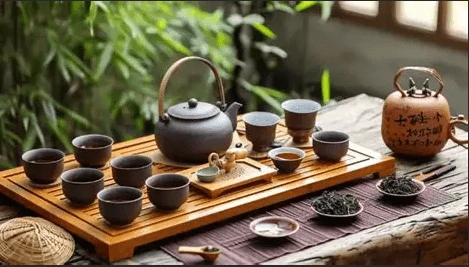
工夫茶是一种泡茶的方式和茶文化,在福建闽南地区和广东潮汕地区盛行。工夫茶泡茶技法细腻,讲究茶叶、器具、水、火,以及泡茶的每一个步骤,体现了中华茶文化的精髓。
工夫茶的泡茶过程非常讲究,包括“治器、纳茶、候汤、冲点、刮沫、淋罐、烫杯、洒茶”等八个步骤,每个步骤都有其特定的操作方法和讲究。
工夫茶的茶具也十分讲究,通常包括茶壶、茶杯、茶盘、茶船等,其中以宜兴紫砂壶和白瓷茶杯最为常见。
工夫茶的品饮也有一套独特的礼仪,例如“关公巡城”、“韩信点兵”等,体现了待客之道和茶文化的内涵。
工夫茶不仅仅是一种泡茶方式,更是一种品茶文化,强调的是在品茶过程中,感受茶的香气、味道,以及与朋友之间的交流和情谊。
潮州工夫茶已有1000多年的历史,是晋唐衣冠南渡后保留下来的品饮茶文化,并在2008年被列为国家级非物质文化遗产。
工夫茶的泡茶步骤(以潮州工夫茶为例):1. 治器::准备好茶具,包括茶壶、茶杯、茶盘等,并进行清洁。2. 纳茶::将茶叶放入茶壶中,一般为乌龙茶,如铁观音、凤凰单丛等。3. 候汤::烧水,用“蟹眼水”为佳,即水刚开始沸腾,出现小气泡的时候。4. 冲点::用高冲的方式,将开水冲入茶壶,使茶叶充分浸泡。5. 刮沫::将茶壶盖上的茶沫刮去。6. 淋罐::用开水淋在茶壶上,保持茶壶的温度。7. 烫杯::用开水烫茶杯,起到消毒和预热的作用。8. 洒茶::将茶汤均匀地倒入茶杯中,通常采用“关公巡城”和“韩信点兵”的方式。总而言之,工夫茶是一种既注重技法,又讲究文化内涵的茶文化,它不仅是一种饮茶方式,更是一种生活态度和文化传承。
Gongfu Tea: A Brewing Method and Cultural Tradition
Gongfu tea is a traditional method of tea preparation and a rich tea culture that flourishes in southern Fujian and the Chaoshan region of Guangdong. Renowned for its refined and meticulous techniques, Gongfu tea emphasizes the quality of the tea leaves, utensils, water, heat, and every step of the brewing process, embodying the essence of Chinese tea culture.
The Gongfu tea ceremony is highly ritualized and typically consists of eight key steps: preparing the utensils, adding the tea leaves, heating the water, pouring the water, skimming the foam, rinsing the teapot, warming the cups, and serving the tea. Each step has its specific methods and points of attention, reflecting a deep respect for both the tea and the art of preparation.
The teaware used in Gongfu tea is also very particular. Common items include teapots, teacups, tea trays, and tea boats, with Yixing purple clay teapots and white porcelain cups being among the most favored.
The process of drinking Gongfu tea follows a unique set of rituals and etiquette, such as the ceremonial “Guan Gong Patrolling the City” and “Han Xin Mustering the Troops.” These practices not only add to the aesthetics of the experience but also reflect the values of hospitality and the deeper cultural meaning embedded in tea.
Gongfu tea is more than just a way of brewing—it is a cultural expression that emphasizes the enjoyment of aroma, flavor, and the meaningful social interactions that arise over tea.
Chaozhou Gongfu tea, in particular, has a history of over 1,000 years. It is a preserved tradition that dates back to the southward migration of Central Plains culture during the Jin and Tang dynasties. In 2008, it was officially listed as a National Intangible Cultural Heritage of China.
Steps in Brewing Gongfu Tea (as practiced in Chaozhou): 1. Preparing the Utensils (Zhi Qi): Gather and clean all necessary teaware, including the teapot, cups, and tray. 2. Adding the Tea Leaves (Na Cha): Place the tea leaves into the teapot. Oolong teas, such as Tieguanyin or Phoenix Dancong, are typically used. 3. Heating the Water (Hou Tang): Boil the water until it reaches the “crab-eye” stage—just before full boil, when small bubbles begin to appear. 4. Pouring the Water (Chong Dian): Pour the hot water from a height into the teapot to allow the tea leaves to fully unfurl and steep. 5. Skimming the Foam (Gua Mo): Skim off any foam that forms on the lid of the teapot. 6. Rinsing the Teapot (Lin Guan): Pour hot water over the outside of the teapot to maintain its temperature. 7. Warming the Cups (Tang Bei): Rinse the teacups with hot water for sterilization and preheating. 8. Serving the Tea (Sa Cha): Evenly pour the brewed tea into cups using techniques such as “Guan Gong Patrolling the City” and “Han Xin Mustering the Troops.”
In summary, Gongfu tea is a tea culture that values both skill and cultural depth. It is not merely a method of drinking tea but a reflection of a mindful lifestyle and a form of cultural heritage passed down through generations.
Gongfu Tea: A Brewing Method and Cultural Tradition
Gongfu tea is a traditional method of tea preparation and a rich tea culture that flourishes in southern Fujian and the Chaoshan region of Guangdong. Renowned for its refined and meticulous techniques, Gongfu tea emphasizes the quality of the tea leaves, utensils, water, heat, and every step of the brewing process, embodying the essence of Chinese tea culture.
The Gongfu tea ceremony is highly ritualized and typically consists of eight key steps: preparing the utensils, adding the tea leaves, heating the water, pouring the water, skimming the foam, rinsing the teapot, warming the cups, and serving the tea. Each step has its specific methods and points of attention, reflecting a deep respect for both the tea and the art of preparation.
The teaware used in Gongfu tea is also very particular. Common items include teapots, teacups, tea trays, and tea boats, with Yixing purple clay teapots and white porcelain cups being among the most favored.
The process of drinking Gongfu tea follows a unique set of rituals and etiquette, such as the ceremonial “Guan Gong Patrolling the City” and “Han Xin Mustering the Troops.” These practices not only add to the aesthetics of the experience but also reflect the values of hospitality and the deeper cultural meaning embedded in tea.
Gongfu tea is more than just a way of brewing—it is a cultural expression that emphasizes the enjoyment of aroma, flavor, and the meaningful social interactions that arise over tea.
Chaozhou Gongfu tea, in particular, has a history of over 1,000 years. It is a preserved tradition that dates back to the southward migration of Central Plains culture during the Jin and Tang dynasties. In 2008, it was officially listed as a National Intangible Cultural Heritage of China.
Steps in Brewing Gongfu Tea (as practiced in Chaozhou): 1. Preparing the Utensils (Zhi Qi): Gather and clean all necessary teaware, including the teapot, cups, and tray. 2. Adding the Tea Leaves (Na Cha): Place the tea leaves into the teapot. Oolong teas, such as Tieguanyin or Phoenix Dancong, are typically used. 3. Heating the Water (Hou Tang): Boil the water until it reaches the “crab-eye” stage—just before full boil, when small bubbles begin to appear. 4. Pouring the Water (Chong Dian): Pour the hot water from a height into the teapot to allow the tea leaves to fully unfurl and steep. 5. Skimming the Foam (Gua Mo): Skim off any foam that forms on the lid of the teapot. 6. Rinsing the Teapot (Lin Guan): Pour hot water over the outside of the teapot to maintain its temperature. 7. Warming the Cups (Tang Bei): Rinse the teacups with hot water for sterilization and preheating. 8. Serving the Tea (Sa Cha): Evenly pour the brewed tea into cups using techniques such as “Guan Gong Patrolling the City” and “Han Xin Mustering the Troops.”
In summary, Gongfu tea is a tea culture that values both skill and cultural depth. It is not merely a method of drinking tea but a reflection of a mindful lifestyle and a form of cultural heritage passed down through generations.
白族三道茶 Bai People’s Three-Course Tea
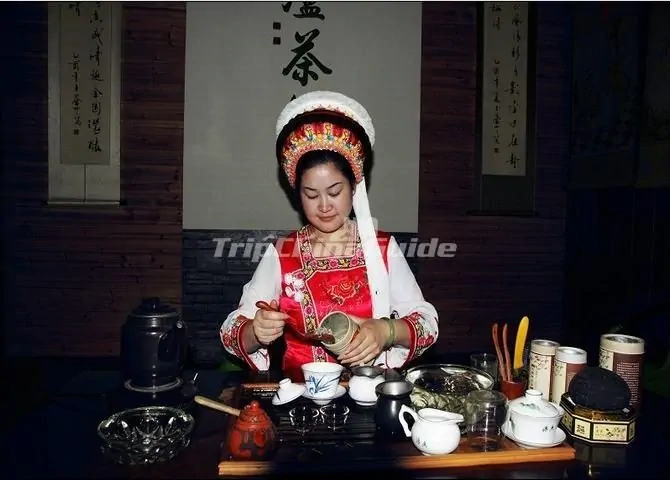
云南白族三道茶以“头苦、二甜、三回味”的独特风味而闻名。头道茶(苦茶):用烤茶,味道苦涩,寓意人生需要先吃苦,经历磨砺。二道茶(甜茶):在苦茶的基础上加入核桃片、乳扇、红糖等,味道香甜可口,寓意人生苦尽甘来,享受甜蜜。三道茶(回味茶):在甜茶的基础上加入蜂蜜、花椒等,味道麻辣回甜,寓意人生需要不断反思,回味人生经历,把握方向。
三道茶不仅是一种饮茶方式,更蕴含着白族人民的生活智慧和哲学思考。三道茶分别代表着人生不同的阶段和境界,寓意着先苦后甜,以及对人生经历的体悟和回味。它体现了白族人民对生活的积极态度,以及对人生哲理的深刻领悟。白族三道茶于2014年入选国家级非物质文化遗产,2022年入选联合国教科文组织人类非物质文化遗产代表作名录,得到了更广泛的保护和传承。
The Bai People’s Three-Course Tea: “First Bitter, Second Sweet, Third Reflective”
The Bai ethnic group’s Three-Course Tea from Yunnan is renowned for its unique flavor progression: “first bitter, second sweet, third with a lasting aftertaste.” • The First Tea (Bitter Tea): Roasted tea, with a strong and bitter flavor, symbolizes the hardships and trials one must face early in life. • The Second Tea (Sweet Tea): Built on the base of the first, it includes ingredients such as walnut slices, rushan (a traditional Bai dairy product), and brown sugar, resulting in a sweet and rich flavor. This represents the joy and rewards that come after overcoming life’s challenges. • The Third Tea (Reflective Tea): Honey and Sichuan pepper are added to the second tea, creating a complex taste that is spicy, numbing, and sweet all at once. This stage symbolizes reflection and contemplation—an appreciation of life’s journey and the importance of finding direction and meaning.
Three-Course Tea is more than a method of tea drinking—it embodies the Bai people’s wisdom and philosophical outlook on life. Each course represents a different stage of the human experience, offering insights into the cycle of hardship, reward, and reflection.
This tradition reflects the Bai community’s positive attitude toward life and their deep understanding of its essence.
In 2014, the Bai Three-Course Tea was inscribed on China’s National Intangible Cultural Heritage List. In 2022, it was further recognized by UNESCO as part of the Representative List of the Intangible Cultural Heritage of Humanity, ensuring its broader preservation and transmission.
The Bai People’s Three-Course Tea: “First Bitter, Second Sweet, Third Reflective”
The Bai ethnic group’s Three-Course Tea from Yunnan is renowned for its unique flavor progression: “first bitter, second sweet, third with a lasting aftertaste.” • The First Tea (Bitter Tea): Roasted tea, with a strong and bitter flavor, symbolizes the hardships and trials one must face early in life. • The Second Tea (Sweet Tea): Built on the base of the first, it includes ingredients such as walnut slices, rushan (a traditional Bai dairy product), and brown sugar, resulting in a sweet and rich flavor. This represents the joy and rewards that come after overcoming life’s challenges. • The Third Tea (Reflective Tea): Honey and Sichuan pepper are added to the second tea, creating a complex taste that is spicy, numbing, and sweet all at once. This stage symbolizes reflection and contemplation—an appreciation of life’s journey and the importance of finding direction and meaning.
Three-Course Tea is more than a method of tea drinking—it embodies the Bai people’s wisdom and philosophical outlook on life. Each course represents a different stage of the human experience, offering insights into the cycle of hardship, reward, and reflection.
This tradition reflects the Bai community’s positive attitude toward life and their deep understanding of its essence.
In 2014, the Bai Three-Course Tea was inscribed on China’s National Intangible Cultural Heritage List. In 2022, it was further recognized by UNESCO as part of the Representative List of the Intangible Cultural Heritage of Humanity, ensuring its broader preservation and transmission.
.jpeg)
藏茶 Tibetan Tea
藏茶是一种黑茶,历史悠久,自唐代已有记录。藏茶主要产于四川雅安,选用高海拔地区成熟的茶叶和红苔为原料。
藏茶是经过特殊工艺精制而成的全发酵茶,通常压制成砖状。 藏茶是生物全发酵黑茶的始祖,与普洱茶类似,具有降脂、降压等保健功效。
藏茶因其不同的历史时期和地方风俗,又被称为大茶、马茶、乌茶、黑茶、粗茶、南路边茶、砖茶、条茶、紧压茶、团茶、边茶等。
藏茶有助消化、解油腻、降血压、降血脂、抗衰老和补充营养人体所需的维生素和矿物质的功效与作用。
藏茶除可煮饮、泡饮外也可搭配酥油、牛奶、盐等,制成具有地方特色的茶饮。
Tibetan Tea: A Traditional Fermented Black Tea
Tibetan tea is a type of black tea with a long history, dating back to the Tang Dynasty. It is primarily produced in Ya’an, Sichuan Province, using mature tea leaves and red moss harvested from high-altitude regions as its raw materials.
Tibetan tea is a fully fermented tea, refined through a unique processing method, and is typically compressed into brick form. As the original form of biologically fermented black tea, it is similar to Pu’er tea and is known for its health benefits, including reducing blood lipids and lowering blood pressure.
Due to different historical periods and regional customs, Tibetan tea is also known by many other names, such as Da Cha (big tea), Ma Cha (horse tea), Wu Cha (dark tea), Hei Cha (black tea), Cu Cha (coarse tea), Nanlu Bian Cha (southern border tea), Zhuan Cha (brick tea), Tiao Cha (strip tea), Jinya Cha (compressed tea), Tuan Cha (ball tea), and Bian Cha (frontier tea).
Tibetan tea offers a variety of health benefits: it aids digestion, reduces greasiness, helps lower blood pressure and cholesterol, combats aging, and provides essential vitamins and minerals for the human body.
In addition to being brewed or boiled, Tibetan tea is often mixed with butter, milk, or salt to create regionally distinctive beverages, such as traditional Tibetan butter tea.
Tibetan Tea: A Traditional Fermented Black Tea
Tibetan tea is a type of black tea with a long history, dating back to the Tang Dynasty. It is primarily produced in Ya’an, Sichuan Province, using mature tea leaves and red moss harvested from high-altitude regions as its raw materials.
Tibetan tea is a fully fermented tea, refined through a unique processing method, and is typically compressed into brick form. As the original form of biologically fermented black tea, it is similar to Pu’er tea and is known for its health benefits, including reducing blood lipids and lowering blood pressure.
Due to different historical periods and regional customs, Tibetan tea is also known by many other names, such as Da Cha (big tea), Ma Cha (horse tea), Wu Cha (dark tea), Hei Cha (black tea), Cu Cha (coarse tea), Nanlu Bian Cha (southern border tea), Zhuan Cha (brick tea), Tiao Cha (strip tea), Jinya Cha (compressed tea), Tuan Cha (ball tea), and Bian Cha (frontier tea).
Tibetan tea offers a variety of health benefits: it aids digestion, reduces greasiness, helps lower blood pressure and cholesterol, combats aging, and provides essential vitamins and minerals for the human body.
In addition to being brewed or boiled, Tibetan tea is often mixed with butter, milk, or salt to create regionally distinctive beverages, such as traditional Tibetan butter tea.
台湾茶艺 Taiwanese Tea Arts
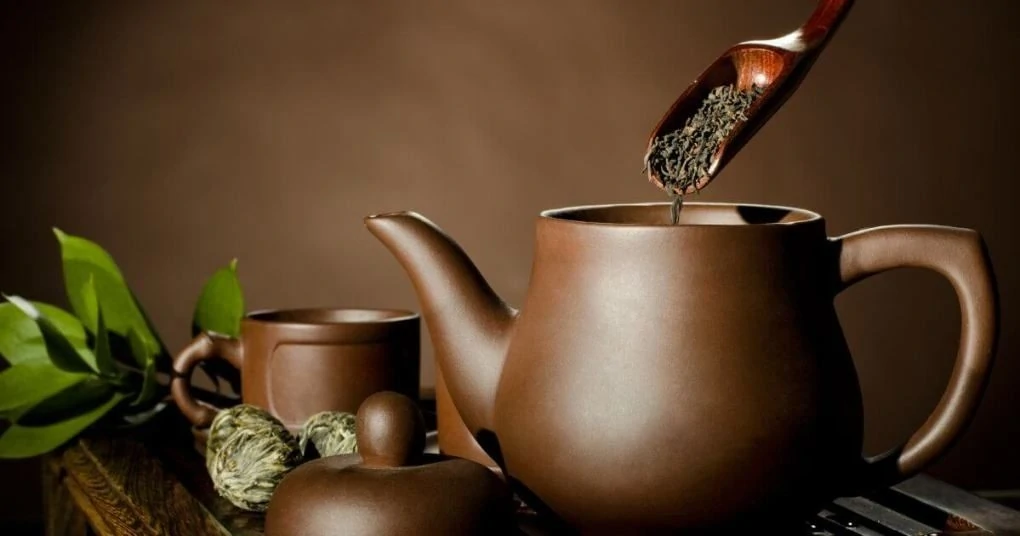
台湾茶艺步骤主要包含温壶/温杯、置茶、洗茶、冲泡、奉茶、品茗等步骤。 泡茶时,水温、茶叶用量、冲泡时间需依茶叶种类和个人喜好调整。1. 温壶/温杯:
使用沸水温润茶壶和茶杯,以保持茶汤的温度,使茶叶能充分舒展,同时也提升了品茗的仪式感。
2. 置茶:
根据茶叶种类和人数,适量放入茶叶于茶壶或盖杯中。 一般来说,一人份的茶叶量约为茶壶或盖杯容量的三分之一到一半。
3. 洗茶:
将沸水快速冲入茶壶或盖杯,立即倒出,这个动作称为「洗茶」,主要作用是醒茶和去除茶叶表面的杂质。
4. 冲泡:
再次注入沸水,依茶叶种类和个人喜好,控制浸泡时间。 一般来说,第一泡时间较短,约30秒,之后每泡可增加5-10秒。 球形茶叶需较高水温,让茶叶展开,而绿茶则不宜用过高水温,以免产生苦涩味。
5. 奉茶:
将泡好的茶汤倒入公道杯,再分倒入茶杯中,让每个人都能品尝到相同浓度的茶汤。 奉茶时,可以将茶壶稍微提高,让茶汤在空中流动,增加视觉享受。
6. 品茗:
品茗时,先闻茶香,再细细品尝茶汤的滋味,感受茶汤在口腔中的变化,包括甘甜、滑顺、苦涩等。
台湾茶道常用盖杯、茶壶、茶海、茶杯等器具,选择适合的器具,有助于提升泡茶体验。 一般来说,茶叶可以回冲2-3次,但每次的回冲时间应比前一次稍长,以充分提取茶叶的风味。
台湾茶艺有干泡和湿泡两种方式,湿泡会使用较多水,容易弄湿桌面,而干泡则较为干净俐落。
The Taiwanese Tea Ceremony: Steps and Essentials
The Taiwanese Tea Arts emphasizes both technique and mindfulness. Its main steps include warming the teapot and cups, adding tea leaves, rinsing the tea, brewing, serving, and tasting. Throughout the process, water temperature, tea quantity, and steeping time should be adjusted according to the type of tea and personal preference. 1. Warming the Teapot and Cups:Boiling water is used to warm both the teapot and teacups. This helps maintain the temperature of the tea during brewing, allowing the leaves to unfurl fully and enhancing the sense of ritual. 2. Adding the Tea Leaves:Based on the type of tea and number of participants, an appropriate amount of tea leaves is placed into the teapot or gaiwan (lidded bowl). Typically, one serving amounts to about one-third to one-half the volume of the vessel. 3. Rinsing the Tea (Washing the Leaves):Boiling water is quickly poured into the teapot or gaiwan and then immediately poured out. This step, known as “rinsing the tea,” awakens the leaves and removes surface impurities. 4. Brewing the Tea:Fresh boiling water is poured in again. Steeping time is adjusted based on the tea type and personal taste. Generally, the first infusion is brief—around 30 seconds—and each subsequent infusion can be lengthened by 5–10 seconds. Rolled or ball-shaped teas require higher temperatures to allow the leaves to open, while green teas should be steeped at lower temperatures to prevent bitterness. 5. Serving the Tea:The brewed tea is poured into a fairness pitcher (gong dao bei) before being distributed into individual cups, ensuring that each person enjoys tea of the same strength. When serving, the teapot can be lifted slightly to let the stream of tea flow gracefully through the air, adding a visual element to the experience. 6. Tasting the Tea:Begin by appreciating the aroma of the tea, then slowly savor its taste. Pay attention to how the tea evolves in the mouth—whether it is sweet, smooth, bitter, or astringent.
Common utensils in Taiwanese tea Arts include the gaiwan, teapot, fairness pitcher (cha hai), and teacups. Choosing the right tools enhances the overall experience of tea preparation and tasting.
Typically, tea leaves can be re-steeped 2–3 times, with each infusion requiring slightly more time than the previous one to fully extract the flavor.
There are two main brewing styles in Taiwanese tea practice: • Wet brewing (shī pào): Uses more water, often resulting in a wetter tea table. • Dry brewing (gān pào): A cleaner, more refined approach that avoids excess moisture.
The Taiwanese Tea Arts emphasizes both technique and mindfulness. Its main steps include warming the teapot and cups, adding tea leaves, rinsing the tea, brewing, serving, and tasting. Throughout the process, water temperature, tea quantity, and steeping time should be adjusted according to the type of tea and personal preference. 1. Warming the Teapot and Cups:Boiling water is used to warm both the teapot and teacups. This helps maintain the temperature of the tea during brewing, allowing the leaves to unfurl fully and enhancing the sense of ritual. 2. Adding the Tea Leaves:Based on the type of tea and number of participants, an appropriate amount of tea leaves is placed into the teapot or gaiwan (lidded bowl). Typically, one serving amounts to about one-third to one-half the volume of the vessel. 3. Rinsing the Tea (Washing the Leaves):Boiling water is quickly poured into the teapot or gaiwan and then immediately poured out. This step, known as “rinsing the tea,” awakens the leaves and removes surface impurities. 4. Brewing the Tea:Fresh boiling water is poured in again. Steeping time is adjusted based on the tea type and personal taste. Generally, the first infusion is brief—around 30 seconds—and each subsequent infusion can be lengthened by 5–10 seconds. Rolled or ball-shaped teas require higher temperatures to allow the leaves to open, while green teas should be steeped at lower temperatures to prevent bitterness. 5. Serving the Tea:The brewed tea is poured into a fairness pitcher (gong dao bei) before being distributed into individual cups, ensuring that each person enjoys tea of the same strength. When serving, the teapot can be lifted slightly to let the stream of tea flow gracefully through the air, adding a visual element to the experience. 6. Tasting the Tea:Begin by appreciating the aroma of the tea, then slowly savor its taste. Pay attention to how the tea evolves in the mouth—whether it is sweet, smooth, bitter, or astringent.
Common utensils in Taiwanese tea Arts include the gaiwan, teapot, fairness pitcher (cha hai), and teacups. Choosing the right tools enhances the overall experience of tea preparation and tasting.
Typically, tea leaves can be re-steeped 2–3 times, with each infusion requiring slightly more time than the previous one to fully extract the flavor.
There are two main brewing styles in Taiwanese tea practice: • Wet brewing (shī pào): Uses more water, often resulting in a wetter tea table. • Dry brewing (gān pào): A cleaner, more refined approach that avoids excess moisture.