世界 World
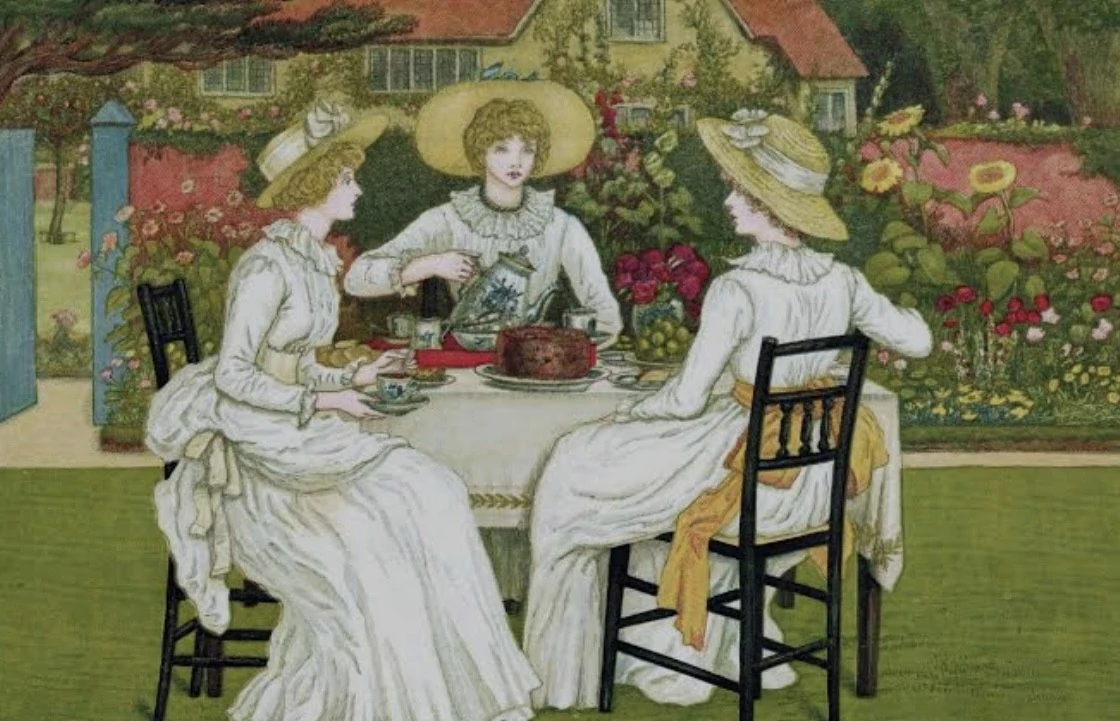
茶叶起源于中国,并从那里传播到世界各地。传播方式主要有三种:通过僧侣和朝廷交流,以及通过贸易路线。丝绸之路、茶马古道和海上航线等贸易路线,促进了茶在亚洲、欧洲和世界其他地区的传播。
Tea originated in China and spread from there to all parts of the world. There are three main ways in which it spread: through exchanges between monks and the imperial court, and through trade routes. Trade routes such as the Silk Road, the Ancient Tea Horse Road, and sea routes facilitated the spread of tea across Asia, Europe, and the rest of the world.
唐朝时期茶叶逐渐从中国的南方传播到朝鲜半岛和日本,主要通过僧侣和朝廷的交流。
During the Tang Dynasty, tea gradually spread from southern China to the Korean Peninsula and Japan, mainly through exchanges between monks and the imperial court.明清时期茶叶和茶文化随着丝绸之路的开辟而传播到中亚和更远的地方。
During the Ming and Qing dynasties, tea and tea culture spread to Central Asia and beyond with the opening of the Silk Road.南宋时期,阿拉伯商人将茶叶由海上贸易从泉州港运往中东等地。
During the Southern Song Dynasty, Arab merchants transported tea from Quanzhou Port to the Middle East and other places via maritime trade. 17世纪,茶叶开始从中国出口到欧洲,并在英国贵族中流行起来,尤其是在凯瑟琳公主嫁给查理二世之后。
In the 17th century, tea began to be exported from China to Europe and became popular among the British aristocracy, especially after Princess Catherine married Charles II.
19世纪,英国人在印度和斯里兰卡种植茶叶,形成红茶产业,如阿萨姆、锡兰红茶等。
In the 19th century, the British planted tea in India and Sri Lanka, forming a black tea industry such as Assam and Ceylon black tea. 茶和天下,源远流长。从茶叶产区到无茶之地,茶始终是丝绸之路、茶马古道和海上流通的重要物资之一。从邻邦到远洋,茶文化在不同时代、不同地域、不同族群中交流互鉴,随着时间的推移,茶叶传播到世界各地,并逐渐成为世界三大饮品之一。Tea and the world have a long history. From tea-producing areas to places without tea, tea has always been one of the important commodities on the Silk Road, the Ancient Tea-Horse Road and on the sea. From neighboring countries to the ocean, tea culture has been exchanged and learned from each other in different times, regions and ethnic groups. As time goes by, tea has spread to all parts of the world and gradually become one of the three major beverages in the world.
随着中国茶远销世界,茶字的发音也与其他语言相遇、相融,形成多样而有趣的声音图景。纵观世界各民族语言,茶字发音的来源和传播基本都与中国有关,一种以“cha”为基础,另一种则以“te”为基础。“cha”系列的发音,语音来源于中国北方官话。其茶字“Cha”的发音影响到南亚、西亚、中亚及欧洲小部分地区,最远传到非洲东部;“te”系列的发音,语音来源于中国闽南等地方言。伴随着茶叶的大量出口,闽南方言中茶字的发音在东南亚、非洲南部和西欧传播开来。
As Chinese tea is exported to the world, the pronunciation of the word "tea" has also met and blended with other languages, forming a diverse and interesting soundscape. Looking at the languages of all ethnic groups in the world, the origin and spread of the pronunciation of the word "tea" are basically related to China. One is based on "cha" and the other is based on "te". The pronunciation of the "cha" series comes from the Mandarin in northern China. The pronunciation of the word "Cha" has influenced South Asia, West Asia, Central Asia and a small part of Europe, and has spread as far as East Africa; the pronunciation of the "te" series comes from local dialects such as Minnan in China. With the large-scale export of tea, the pronunciation of the word "tea" in the Minnan dialect has spread to Southeast Asia, southern Africa and Western Europe.
Tea originated in China and spread from there to all parts of the world. There are three main ways in which it spread: through exchanges between monks and the imperial court, and through trade routes. Trade routes such as the Silk Road, the Ancient Tea Horse Road, and sea routes facilitated the spread of tea across Asia, Europe, and the rest of the world.
唐朝时期茶叶逐渐从中国的南方传播到朝鲜半岛和日本,主要通过僧侣和朝廷的交流。
During the Tang Dynasty, tea gradually spread from southern China to the Korean Peninsula and Japan, mainly through exchanges between monks and the imperial court.明清时期茶叶和茶文化随着丝绸之路的开辟而传播到中亚和更远的地方。
During the Ming and Qing dynasties, tea and tea culture spread to Central Asia and beyond with the opening of the Silk Road.南宋时期,阿拉伯商人将茶叶由海上贸易从泉州港运往中东等地。
During the Southern Song Dynasty, Arab merchants transported tea from Quanzhou Port to the Middle East and other places via maritime trade. 17世纪,茶叶开始从中国出口到欧洲,并在英国贵族中流行起来,尤其是在凯瑟琳公主嫁给查理二世之后。
In the 17th century, tea began to be exported from China to Europe and became popular among the British aristocracy, especially after Princess Catherine married Charles II.
19世纪,英国人在印度和斯里兰卡种植茶叶,形成红茶产业,如阿萨姆、锡兰红茶等。
In the 19th century, the British planted tea in India and Sri Lanka, forming a black tea industry such as Assam and Ceylon black tea. 茶和天下,源远流长。从茶叶产区到无茶之地,茶始终是丝绸之路、茶马古道和海上流通的重要物资之一。从邻邦到远洋,茶文化在不同时代、不同地域、不同族群中交流互鉴,随着时间的推移,茶叶传播到世界各地,并逐渐成为世界三大饮品之一。Tea and the world have a long history. From tea-producing areas to places without tea, tea has always been one of the important commodities on the Silk Road, the Ancient Tea-Horse Road and on the sea. From neighboring countries to the ocean, tea culture has been exchanged and learned from each other in different times, regions and ethnic groups. As time goes by, tea has spread to all parts of the world and gradually become one of the three major beverages in the world.
随着中国茶远销世界,茶字的发音也与其他语言相遇、相融,形成多样而有趣的声音图景。纵观世界各民族语言,茶字发音的来源和传播基本都与中国有关,一种以“cha”为基础,另一种则以“te”为基础。“cha”系列的发音,语音来源于中国北方官话。其茶字“Cha”的发音影响到南亚、西亚、中亚及欧洲小部分地区,最远传到非洲东部;“te”系列的发音,语音来源于中国闽南等地方言。伴随着茶叶的大量出口,闽南方言中茶字的发音在东南亚、非洲南部和西欧传播开来。
As Chinese tea is exported to the world, the pronunciation of the word "tea" has also met and blended with other languages, forming a diverse and interesting soundscape. Looking at the languages of all ethnic groups in the world, the origin and spread of the pronunciation of the word "tea" are basically related to China. One is based on "cha" and the other is based on "te". The pronunciation of the "cha" series comes from the Mandarin in northern China. The pronunciation of the word "Cha" has influenced South Asia, West Asia, Central Asia and a small part of Europe, and has spread as far as East Africa; the pronunciation of the "te" series comes from local dialects such as Minnan in China. With the large-scale export of tea, the pronunciation of the word "tea" in the Minnan dialect has spread to Southeast Asia, southern Africa and Western Europe.